
Table of Contents
It’s 3 PM. Your shoulders feel like concrete. Your jaw is clenched without you realizing it. The to-do list keeps growing while your energy keeps shrinking.
You reach for coffee thinking it’ll help. It doesn’t. The caffeine just makes your heart race while stress tightens its grip.
Here’s what most people don’t realize: the foods you eat directly affect your stress levels. Not in some vague, wellness-influencer way. In measurable, physiological ways that impact cortisol production, neurotransmitter function, and nervous system regulation.
The best foods for stress relief work by supporting your body’s natural stress response mechanisms. They provide nutrients your brain needs to produce calming neurotransmitters, regulate blood sugar to prevent stress spikes, and reduce inflammation that amplifies anxiety. The 7 best foods for stress relief that calm your mind offer natural solutions when you face tight deadlines or holiday chaos.
This guide shares the 7 best foods for stress relief that calm your mind, all backed by science. You get proven foods to eat when stressed, budget-friendly snacks, and a plan for your daily life. You also get a free checklist and tips for students, parents, or remote workers.
The 7 Best Foods for Stress Relief That Calm Your Mind
The 7 best foods for stress relief that calm your mind include almonds for magnesium, salmon for omega-3s, blueberries for antioxidants, yogurt for probiotics, turkey for tryptophan, oats for stable blood sugar, and dark chocolate for mood support. Each targets stress through specific nutrients. Below, you’ll see how these 7 best foods for stress relief that calm your mind work in your body.
Why Food Matters for Stress Relief
I know nutrition advice sounds boring when you’re drowning in deadlines. But hear me out.
When you’re stressed, your body burns through B vitamins, magnesium, and omega-3 fatty acids faster than normal. These nutrients directly support stress hormone regulation and neurotransmitter production.
Without them, your body stays stuck in fight-or-flight mode. Cortisol remains elevated. Anxiety intensifies. Sleep quality tanks. The stress cycle reinforces itself.
The Science: Research shows that magnesium deficiency increases anxiety and stress reactivity. Studies link omega-3 fatty acids to reduced cortisol levels and improved mood regulation. B vitamins support neurotransmitter synthesis required for stress resilience.
The right foods for stress relief interrupt this cycle by replenishing depleted nutrients and supporting calming brain chemistry. They won’t eliminate stress, but they provide your body the raw materials needed to handle it better.
Why Proper Nutrition is Essential for Stress Management
Stress spikes cortisol, disrupting your mood and health. A 2020 study found 60% of people feel less stress with a balanced diet. Research from the American Psychological Association supports the diet-stress connection.. Nutrients like magnesium and omega-3s support your brain and ease anxiety symptoms. A healthy diet for stress lowers inflammation and enhance gut health, key to feeling better. You take control by choosing cortisol-lowering foods. The Mayo Clinic provides additional research on stress management through nutrition.
How the 7 Best Foods for Stress Relief That Calm Your Mind Work
Certain foods shine for easing stress. They deliver magnesium, omega-3s, antioxidants, and more. Add these to your meals for results.
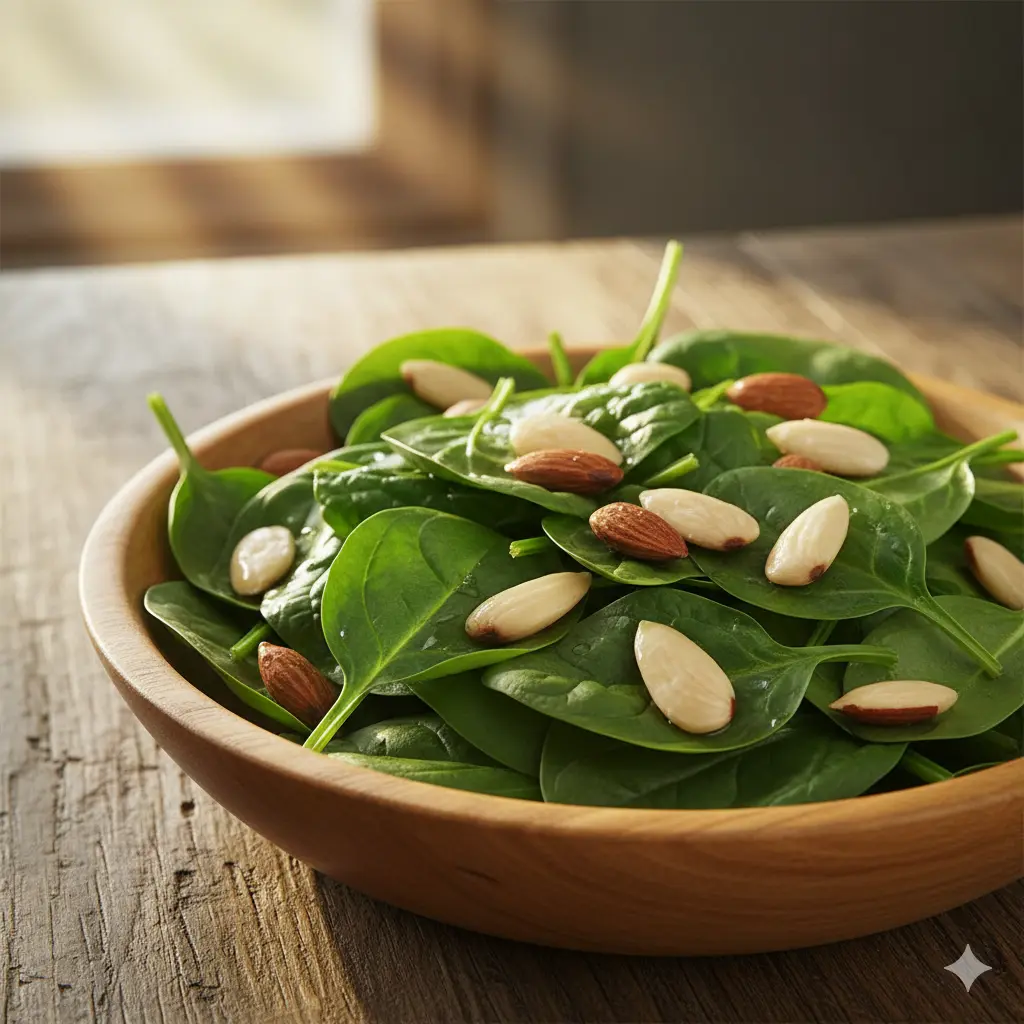
Food 1: Leafy Greens (Spinach, Kale, Swiss Chard)
Magnesium is the anti-stress mineral most people are deficient in.
Leafy greens provide absorbable magnesium that regulates stress hormones and supports GABA production. GABA is your brain’s primary calming neurotransmitter.
Without adequate magnesium, your nervous system stays hyperactive. Small stressors feel overwhelming. Sleep becomes difficult. Muscle tension increases.
I never connected my constant muscle tension with diet until a nutritionist suggested adding more greens. Within two weeks of eating spinach daily, the neck pain I’d attributed to “stress” significantly improved. Turns out, my stress was depleting magnesium, which was causing the physical tension.
How to use it: Add a handful of spinach to morning smoothies. Sauté kale with garlic as a side dish. Mix greens into pasta or grain bowls.
Pro tip: Lightly cooking greens increases magnesium absorption compared to raw consumption.
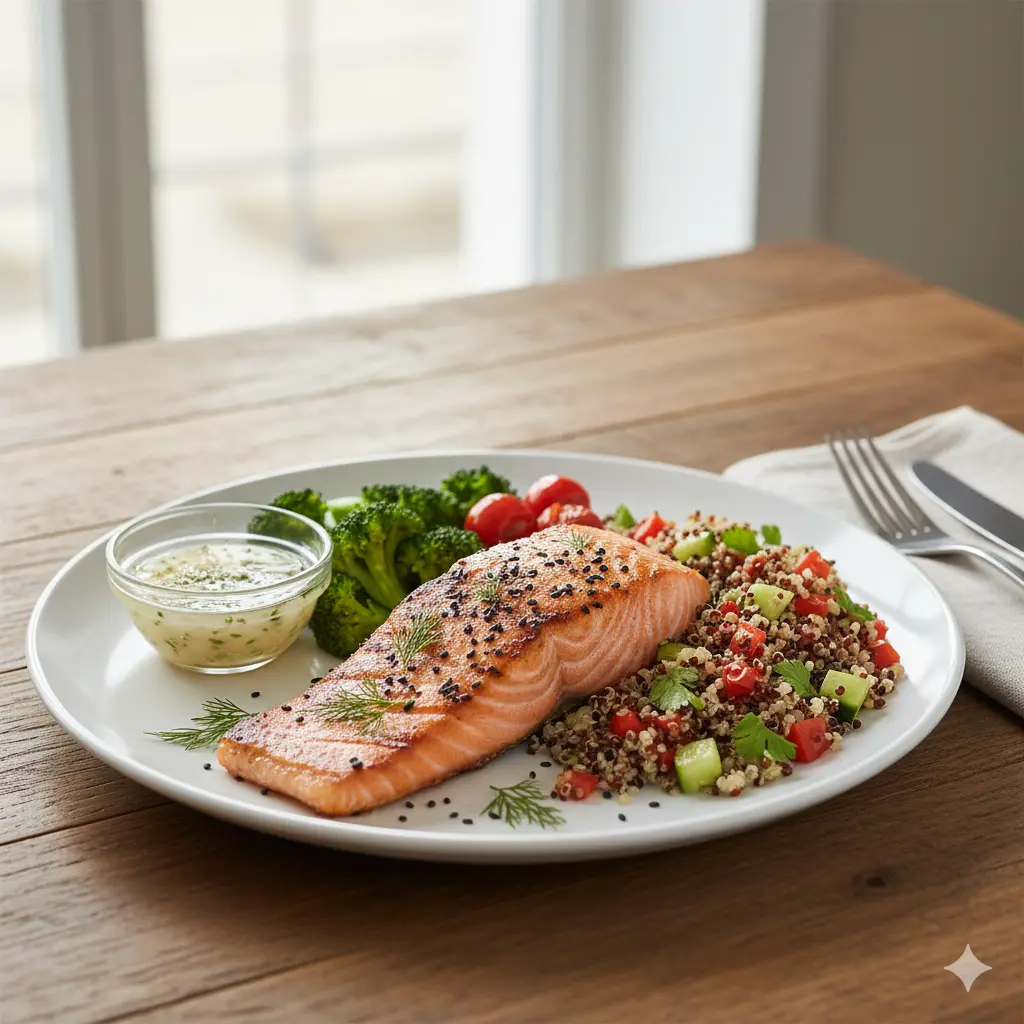
Food 2: Fatty Fish (Salmon, Mackerel, Sardines)
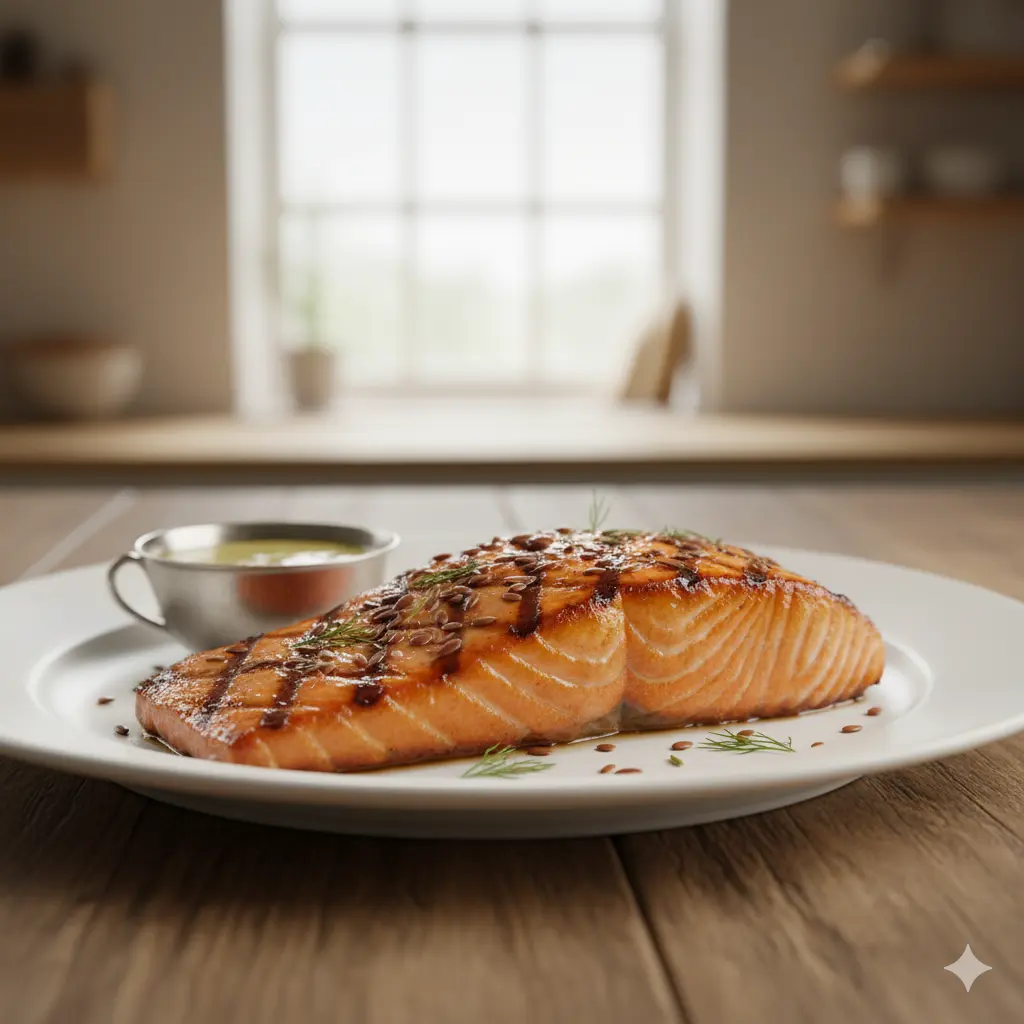
Omega-3 fatty acids deserve their reputation as stress-fighting nutrients.
EPA and DHA, the primary omega-3s in fatty fish, reduce inflammation in the brain and support healthy cortisol regulation. Studies show people with higher omega-3 intake report lower anxiety levels and better stress resilience.
I used to think salmon was just “healthy food” without understanding why. Then I started eating it twice weekly during a stressful work period. Within three weeks, I noticed I wasn’t clenching my jaw as much. My sleep improved. The constant low-level anxiety eased. Not eliminated, but noticeably lighter.
How to use it: Aim for two servings of fatty fish weekly. Canned sardines or mackerel work if fresh salmon feels expensive. The omega-3s are what matter, not the price tag.
Quick preparation: Bake salmon with lemon and herbs for 15 minutes at 400°F. Mix canned sardines into pasta. Add smoked mackerel to salads.The National Institutes of Health confirms omega-3 benefits for brain health. Eat salmon twice a week.
Food 3: Blueberries and Other Dark Berries
Antioxidants combat the oxidative stress that anxiety creates in your body.
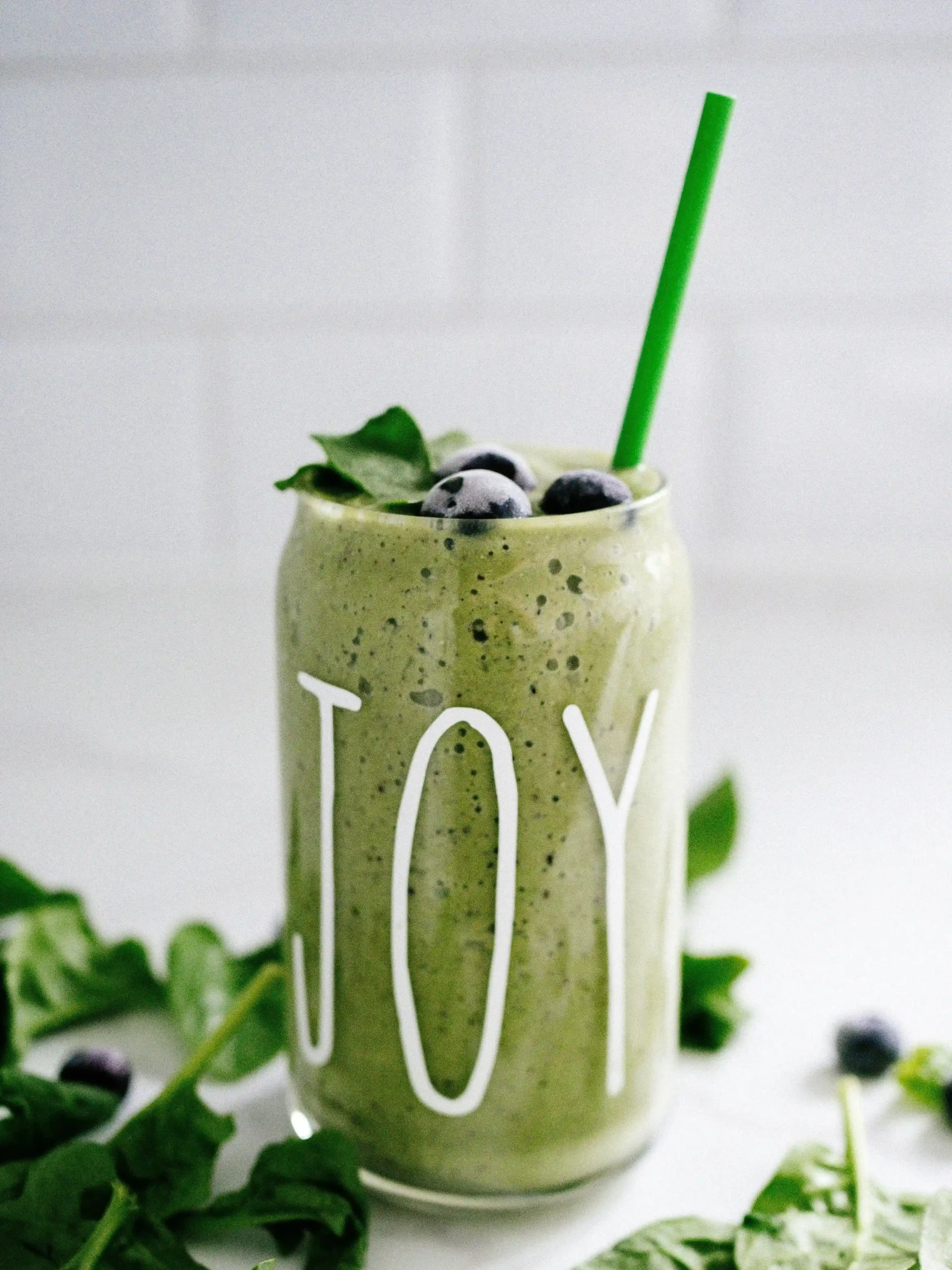
Blueberries contain anthocyanins that cross the blood-brain barrier and reduce inflammation. This inflammation contributes to anxiety and depression when chronic.
The vitamin C in berries also supports cortisol regulation. During stress, your body uses vitamin C rapidly. Berries help replenish it.
How to use it: Keep frozen berries stocked. Add to morning oatmeal or yogurt. Blend into smoothies. Eat a handful as an afternoon snack.
Budget tip: Frozen berries are nutritionally equivalent to fresh and significantly cheaper. Don’t skip this food because fresh feels expensive..
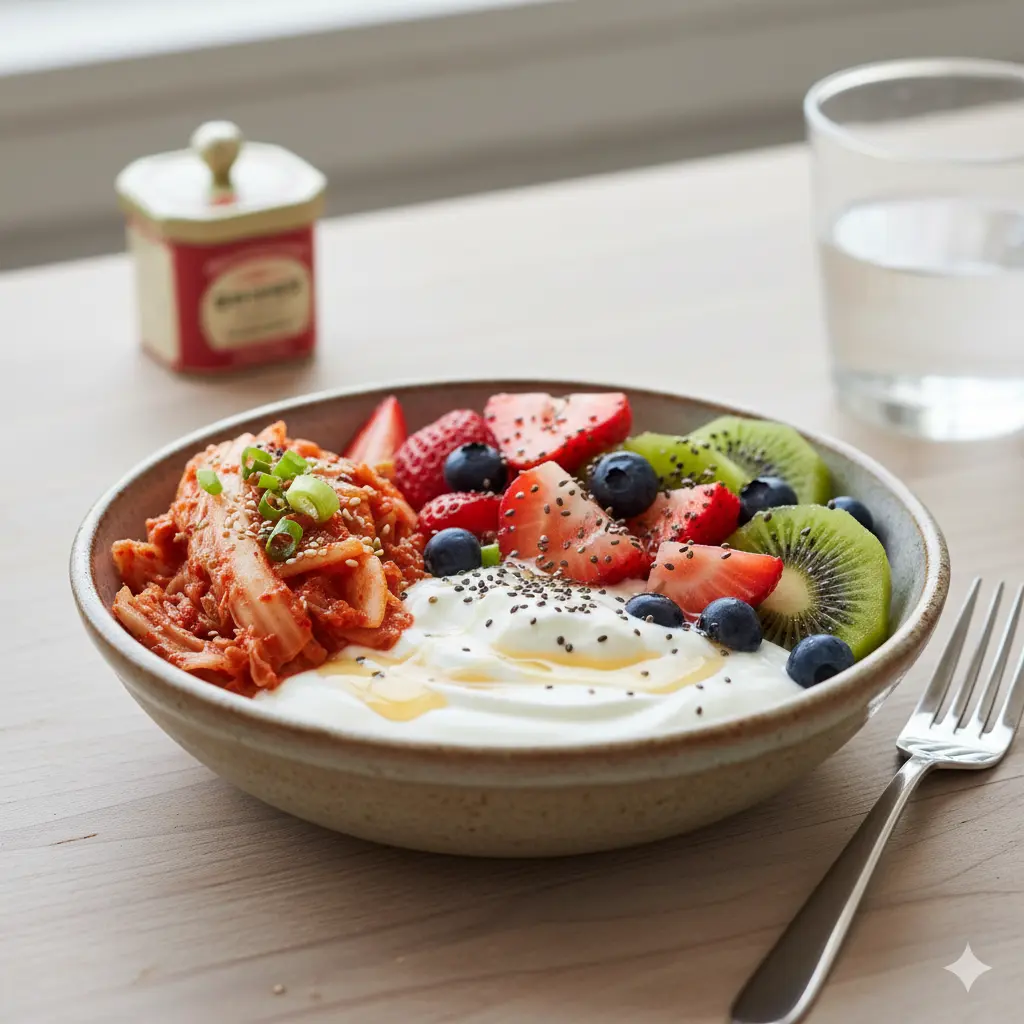
Food 4: Fermented Foods (Yogurt, Kefir, Sauerkraut, Kimchi)
The gut-brain connection isn’t wellness marketing. It’s neuroscience.
Your gut produces 90% of your body’s serotonin. Probiotics in fermented foods support the gut bacteria that regulate this production. Studies show probiotic consumption reduces anxiety and improves stress response.
When your gut microbiome is imbalanced, stress hormones increase and mood regulation suffers. Fermented foods help restore that balance.
The Evidence: Research from UCLA showed that women who ate probiotic-rich yogurt twice daily for four weeks had altered brain activity in regions controlling emotion and sensation. The probiotic group showed reduced stress responses compared to controls.
How to use it: Start with plain Greek yogurt or kefir. Add sauerkraut or kimchi to meals as a side. Look for “live and active cultures” on labels.
If you’re new to fermented foods: Start small. Too much too fast can cause digestive discomfort. A few spoonful daily is enough. Harvard Health explains the gut-brain axis in detail.
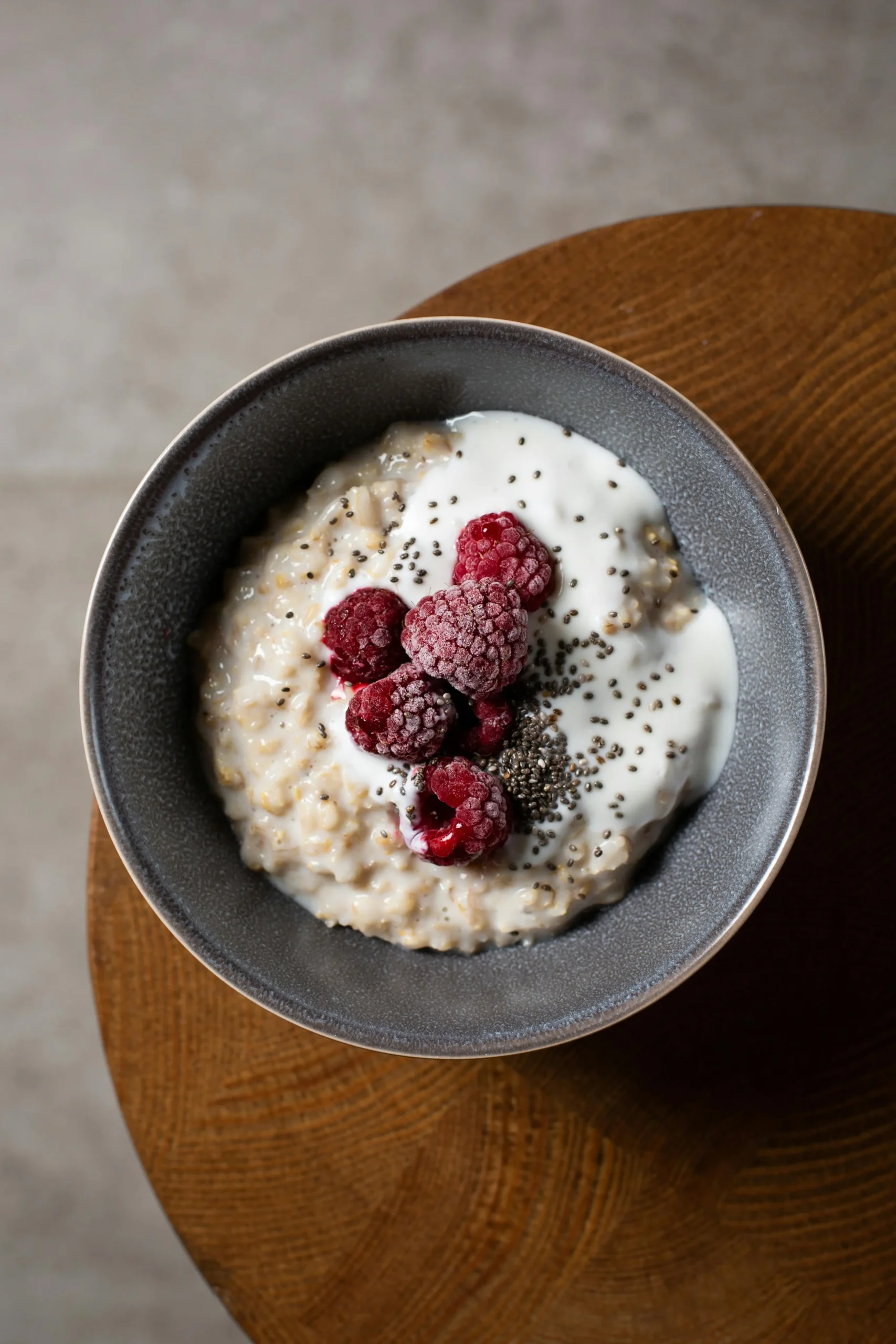
Food 5: Oats and Complex Carbohydrates
Carbohydrates get unfairly demonized in stress management discussions.
Complex carbs like oats increase serotonin production. They provide steady energy that prevents the blood sugar rollercoaster that amplifies stress.
The B vitamins in whole grains support nervous system function. Fiber feeds beneficial gut bacteria that influence mood regulation.
The Mechanism: Carbohydrates trigger insulin release, which helps tryptophan cross the blood-brain barrier. Tryptophan converts to serotonin, your calming neurotransmitter. Eliminating carbs entirely can worsen anxiety for this reason.
How to use it: Start your day with oatmeal topped with berries and nuts. Choose whole grain bread over refined white bread. Add brown rice or quinoa to meals.
What to avoid: Refined carbs and sugar create the opposite effect, spiking then crashing blood sugar in ways that trigger stress responses.
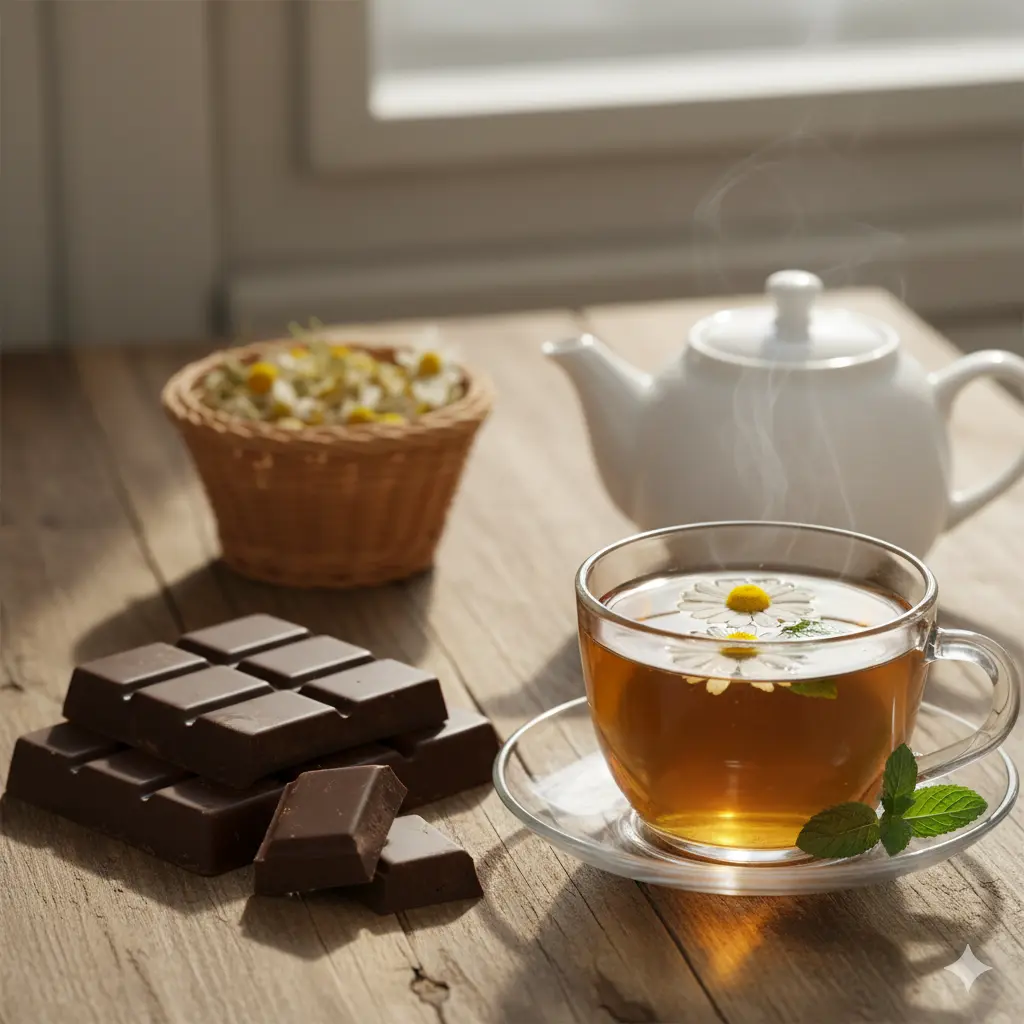
Food 6: Dark Chocolate (70% Cacao or Higher)
This is the stress relief food people get excited about.
Dark chocolate contains flavonoids that reduce cortisol and improve mood. The magnesium supports nervous system function. A small amount triggers endorphin release without the sugar crash that worsens anxiety.
Key word: small amount. A few squares, not half a bar.
The Research: A Swiss study found that eating 40g of dark chocolate daily for two weeks significantly reduced stress hormones in highly stressed individuals. The effect came from compounds in cacao, not sugar.
How to use it: Keep 70% or higher dark chocolate on hand. Eat 1-2 small squares mid-afternoon when stress peaks. Let it melt slowly instead of chewing quickly.
What to avoid: Milk chocolate with high sugar content. The sugar spike will worsen anxiety after the initial boost fades.
Quick Meals Using the 7 Best Foods for Stress Relief
Turn these foods into quick meals. You need stress-relieving snacks for work or home
Breakfast: Greek yogurt with blueberries and flaxseeds.
- Lunch: Salmon salad with spinach and avocado.
- Snack: Almonds and dark chocolate (budget-friendly).
- Dinner: Turkey stir-fry with quinoa and kimchi.
Stress-Relief Foods for Your Lifestyle
Your life shapes your stress. Here’s how to tailor your diet.
For Students
Exams bring stress. Quick stress-relief foods for students include bananas or yogurt. Keep almonds in your bag for study breaks. If you’re struggling with exam anxiety, these foods for stress relief work best when combined with better sleep habits.
For Remote Workers
Home office stress needs fast fixes. Try a blueberry smoothie or turkey wrap. These anti-anxiety foods keep you focused.
For Parents
Juggling kids is tough. Prep salmon bowls or egg muffins for the week. These save time during holidays.Parenting stress affects your eating habits. Learn healthy coping strategies to manage emotional eating triggers.
For Holiday Stress
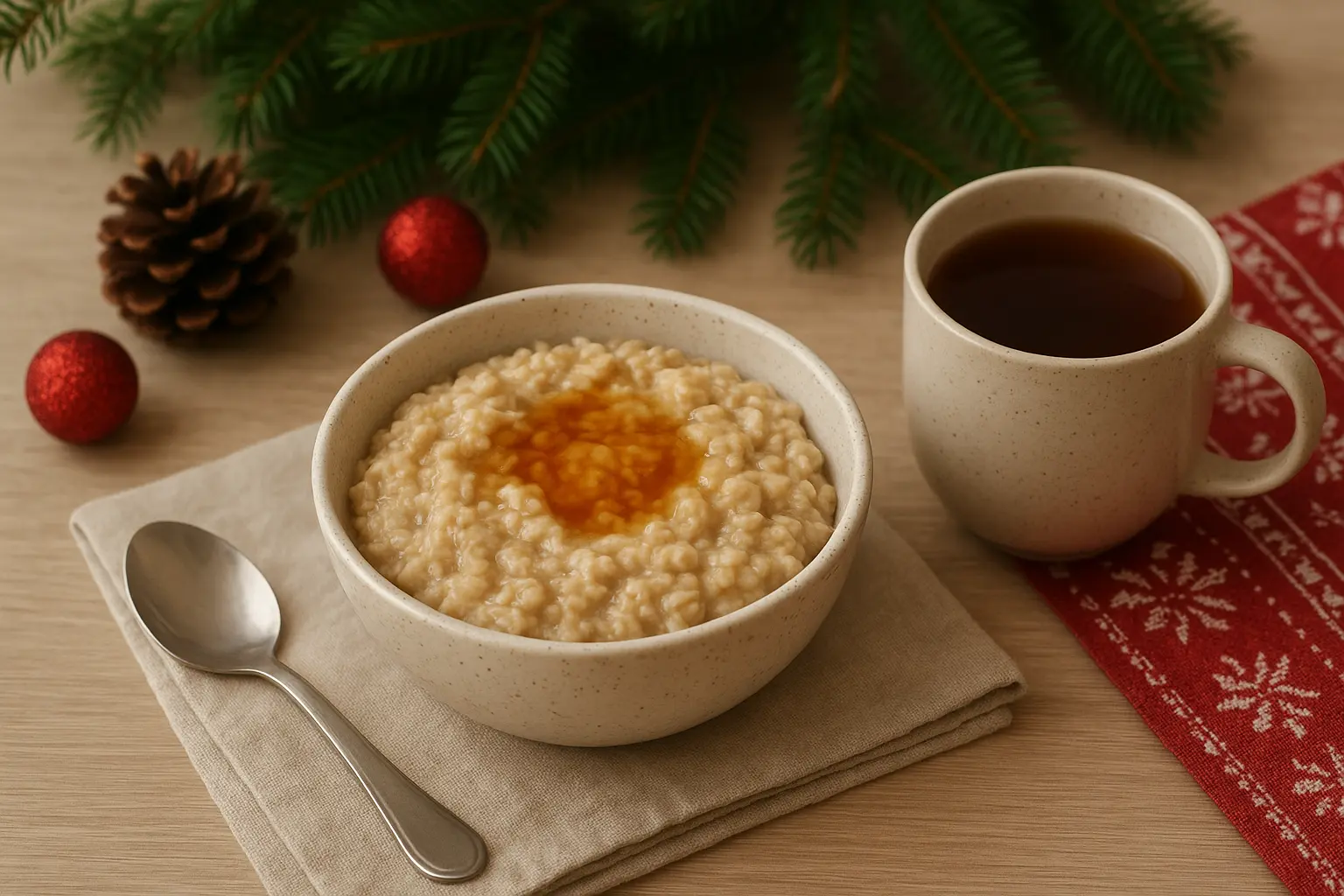
Foods for stress during holidays consist of oatmeal for breakfast and chamomile tea at night. They keep you grounded.
Lifestyle Habits to Amplify Your Stress-Relief Diet
Pair your diet with habits for better results.
- Hydration: Drink water to stay focused. Dehydration worsens stress.
- Mindfulness: Practice deep breathing while eating to relax. Mindful eating helps you appreciate foods for stress relief more fully. Practice self-acceptance while nourishing your body.
- Sleep: Chamomile tea or bananas before bed improve rest.

Putting It Together: A Stress-Relief Eating Pattern
You don’t need a perfect diet. You need a practical pattern that supports stress resilience.
Breakfast: Oatmeal with blueberries, walnuts, and a spoonful of Greek yogurt
Mid-morning snack: Small handful of almonds or a piece of dark chocolate
Lunch: Salad with salmon, leafy greens, and pumpkin seeds
Afternoon snack: Berries with yogurt or kefir
Dinner: Grilled fish or chicken with sautéed greens and brown rice
This isn’t prescriptive. It’s a template showing how to incorporate stress-relief foods into normal eating without obsessing over every meal.
I don’t eat this way perfectly every day. Some days are pizza and ice cream. But when stress runs high, I consciously add more of these foods for a few days. The difference is noticeable. Not miracle-level, but enough that my nervous system feels less fried.

Common Myths About Stress-Relief Foods
Think ice cream helps stress? It doesn’t. Sugary treats spike cortisol, worsening anxiety. Cleveland Clinic explains how sugar affects stress hormones and mood. Choose dark chocolate instead. Another myth: coffee calms you. It often increases jitteriness. Try herbal tea. Understanding the relationship between food and emotions supports better mental health outcomes.

Foods That Make Stress Worse
Some foods actively sabotage stress relief efforts. Knowing what to limit matters as much as knowing what to add.
Caffeine in excess: More than 2-3 cups of coffee daily can increase cortisol and worsen anxiety. If you’re already stressed, caffeine amplifies the response rather than helping it.
Alcohol: Disrupts sleep quality and blood sugar regulation. The temporary relaxation leads to worse stress reactivity the next day.
High-sugar foods: Create blood sugar crashes that trigger cortisol spikes feeling identical to anxiety attacks.
Processed foods high in omega-6: Promote inflammation that worsens stress responses. Balance matters more than elimination.
Foods and Habits to Avoid When Stressed
Some choices worsen stress. Skip caffeine if it makes you jittery. Limit alcohol, as it disrupts sleep. Quality sleep is essential for stress management and helps your body process these nutrients effectively. Avoid artificial sweeteners, which harm gut bacteria. Drink water or tea instead.
Comparison Table:
| Food/Habit to Avoid | Why It Worsens Stress | Better Alternative |
| Caffeine | Increases jitteriness | Herbal tea |
| Alcohol | Disrupts sleep | Water |
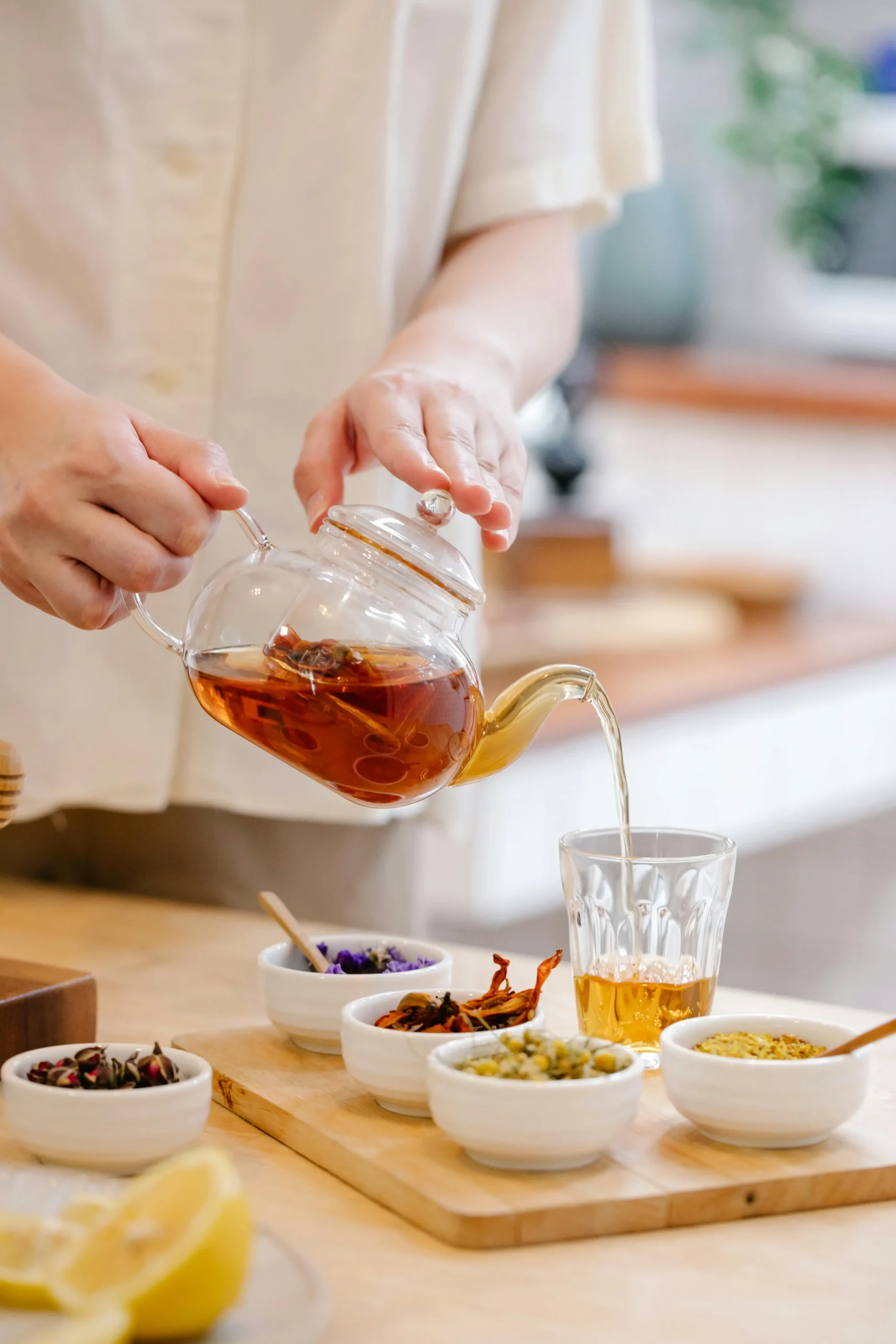
| Artificial Sweeteners | Harms gut health | Natural fruits |
When Food Isn’t Enough
Nutrition supports stress management. It doesn’t cure chronic anxiety or burnout alone.
If you’ve improved your diet and still experience overwhelming stress, you need additional support. Consider therapy, stress management techniques, or medical evaluation.
Food provides building blocks for stress resilience. But if underlying issues like trauma, chronic overwhelm, or untreated anxiety exist, food alone won’t resolve them.
For comprehensive stress management beyond nutrition, read our guides on how to stop overthinking at night and breaking rumination patterns. Start with the 7 best foods for stress relief that calm your mind today. Pick two or three from this list and add them to your weekly meals.
The Realistic Approach to Stress-Relief Eating
Start small. Pick two foods from this list to add this week. Not all seven at once.
Notice how you feel after eating them. Does afternoon stress feel less intense when you’ve had salmon for lunch? Do you sleep better on days you eat yogurt?
Your body provides feedback. Listen to it instead of following rigid rules about what you “should” eat.
The best foods for stress relief are the ones you’ll actually eat consistently. If you hate sardines, don’t force them. Find what works for your preferences and lifestyle.
Stress management isn’t about perfection. It’s about giving your body consistent support so it can handle life’s demands without breaking down.
Which of these stress-relief foods will you try first? What food helps you feel calmer during stressful periods? Share in the comments below.
For more on supporting your mental health through lifestyle choices, explore our articles on mental health after 30 and staying productive during daily struggles.
The 7 best foods for stress relief that calm your mind give you science-backed tools to handle daily pressure. Track your mood after seven days and notice the difference. Foods for stress relief work best as part of a complete self-care routine that includes emotional wellness practices.
Printable Stress-Relief Foods Checklist
Use this checklist for smart shopping.
Download the Stress-Relief Foods Checklist PDF from our site.
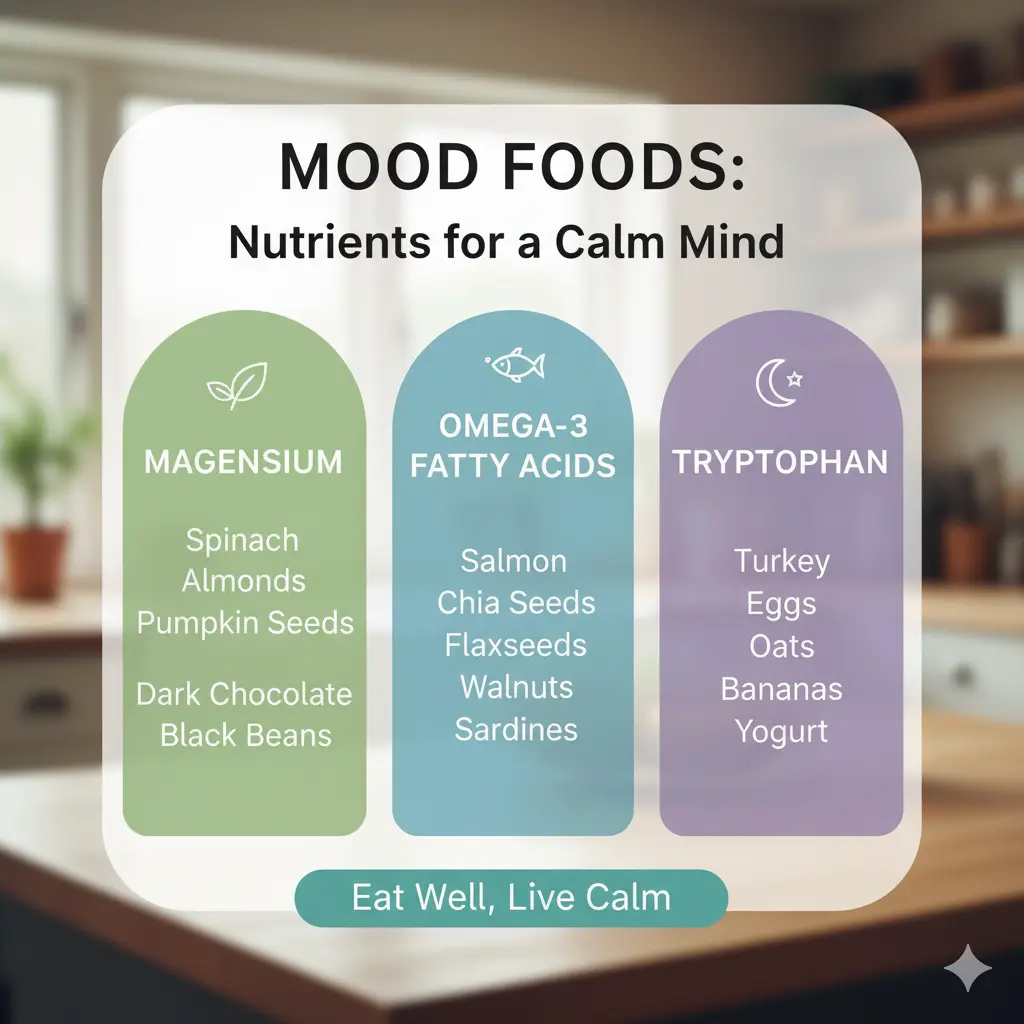
Print this nutrient chart and take control of your life.
FAQ
Which food calms the brain?
Foods rich in magnesium and antioxidants help calm your brain. Blueberries almonds spinach salmon and yogurt support steady mood and clear focus. These choices lower inflammation and give gentle energy when stress feels heavy. They are easy to add daily.
Are eggs a cortisol triggering food?
Eggs do not raise cortisol for most people. They offer protein and B vitamins that support steady energy and healthy brain function. If you handle them well, eggs can fit into a calm balanced diet that manages stress better.
What is the best food to reduce stress?
Salmon blueberries spinach almonds and yogurt are among the best foods to reduce stress. They give omega 3s magnesium and antioxidants that steady your mood and support brain health. These choices are simple to include in everyday meals.
Which drink calms anxiety?
Chamomile tea is a calming drink that helps ease anxiety. It relaxes your body and supports better sleep. Warm milk or lemon balm tea can also steady your mind when stress rises. These drinks fit well into a peaceful nightly routine.
What is the 3 3 3 rule of anxiety?
The 3 3 3 rule helps your mind slow down during anxious moments. You look at three things around you, listen to three sounds, then move three parts of your body. It grounds you and calms racing thoughts.