Table of Contents
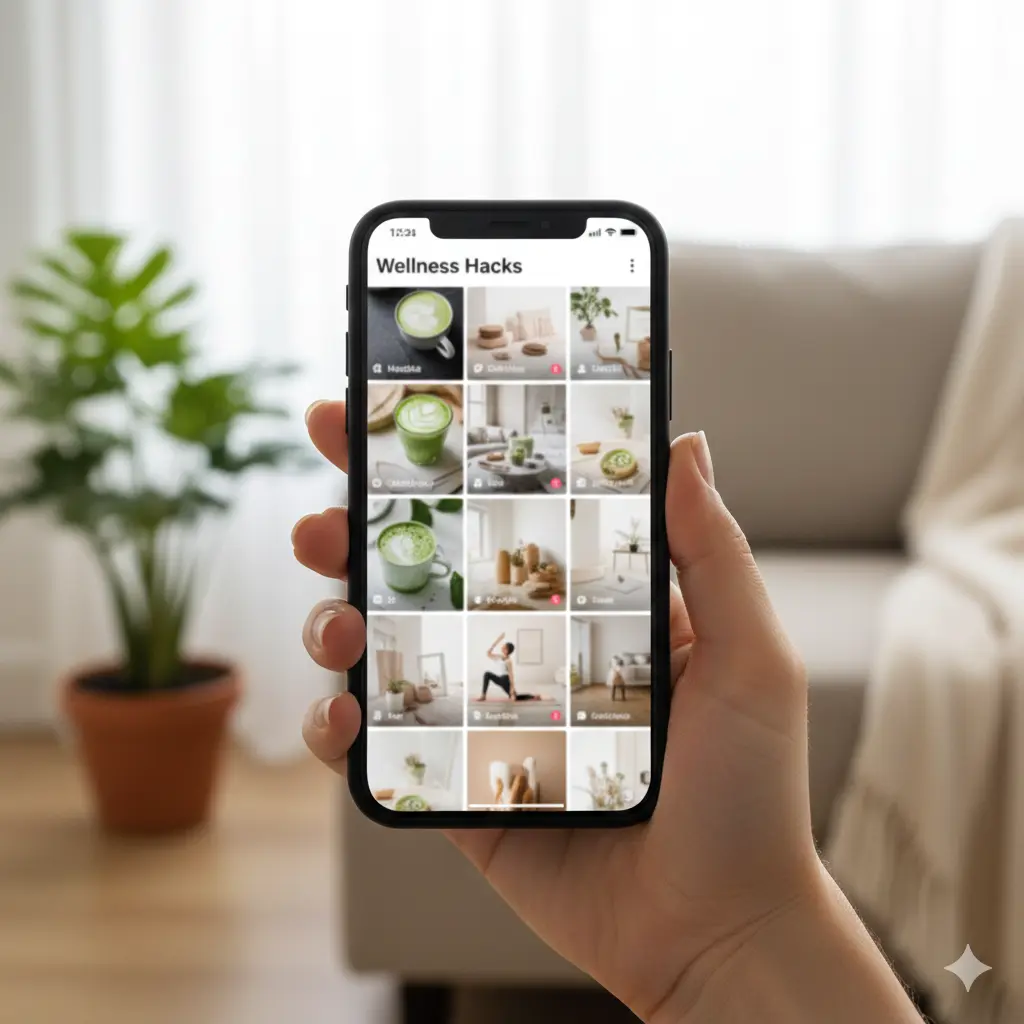
TikTok self care trends often look harmless on your For You page, but many of them create real risks for your physical and mental health. Your feed shows hacks promising better sleep, glowing skin or instant calm, but psychologists want you to slow down before trying them
TikTok wellness propaganda spreads faster than verified health advice. While some creators share helpful tips, others promote practices without considering the psychological or physical risks involved. Psychologists warn TikTok trends often lack scientific backing and pose real dangers to your health. Most TikTok self care trends spread faster than verified medical guidance.
Are TikTok self care trends safe? The answer isn’t simple. This guide breaks down five concerning trends mental health experts flag as potentially harmful, explains why they’re problematic, and offers evidence-based alternatives you try tonight.
Why TikTok Self Care Trends Can Be Unsafe
Trend 1: Mouth-Taping and Sleepmaxxing
Creators often promote TikTok self care trends like mouth taping without explaining medical risks. The mouth taping TikTok trend assures better sleep quality through forced nose breathing.
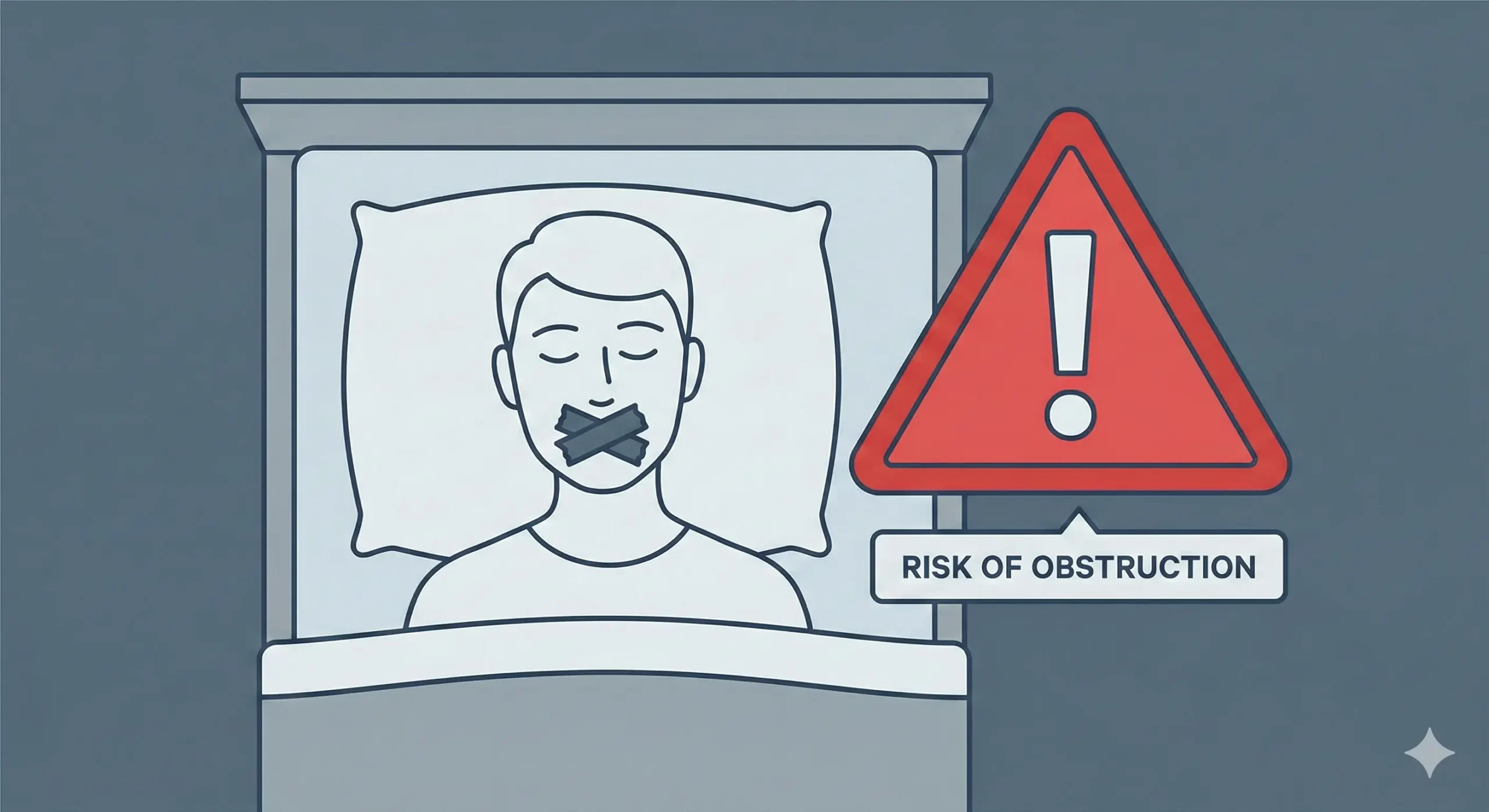
Creators tape their mouths shut before bed, claiming it reduces snoring, improves oxygen levels, and leads to deeper rest.
Sleepmaxxing TikTok risks extend beyond simple discomfort. Dr. Sarah Chen, a sleep medicine specialist at Stanford, explains the dangers: “Mouth taping can restrict airflow for people with nasal congestion, sleep apnea, or respiratory conditions. If you experience breathing difficulties while your mouth is taped, you might not wake up fast enough to remove the tape.”
Why TikTok mouth taping breathing dangers are real:
- Blocks emergency breathing pathways
- Worsens sleep apnea symptoms
- Creates anxiety around sleep
- Ignores underlying breathing issues
TikTok sleep hacks risks include:
- Panic attacks from restricted breathing
- Worsened sleep quality
- Delayed treatment for sleep disorders
- Choking hazards
Instead of taping your mouth, try nasal strips, a humidifier, or consulting a sleep specialist about insistent breathing issues during sleep.
Trend 2: Self-Diagnosis and Mental Health Misinformation
TikTok self diagnosis psychology content floods feeds with creators sharing symptoms lists and encouraging viewers to self-identify conditions. The dangers of self diagnosing on TikTok outspread far beyond simple misunderstanding.
The TikTok undiagnosis trend explained involves people rejecting previous professional evaluation based on social media content. Dr. Michael Torres, a licensed psychologist, warns: “Self-diagnosis through social media skips crucial assessment steps. Mental health conditions require comprehensive evaluation, not symptom matching from 60-second videos.”
Viral TikTok mental health misinformation includes:
- Oversimplified symptom checklists
- Misrepresentation of serious conditions
- Encouragement to avoid professional help
- Stigmatizing language around mental health
Psychologists warn TikTok therapy hacks because they:
- Delay proper treatment
- Worsen existing conditions
- Create false hope or unnecessary fear
- Undermine therapeutic relationships
Professional mental health assessment studies your full history, current life conditions, and multiple evaluation methods. Social media content provides general information, not personalized diagnosis.
Psychologists Warn TikTok Self Care Trends, Risks and Misconceptions
Psychologists explain that many TikTok self care trends spread without proper context or safety guidance. Some TikTok self care trends encourage harmful shortcuts that ignore underlying health issues.Before trying any TikTok self care trends, cross-check the claims with medical sources.
Trend 3: Breathwork Challenges
Breathwork challenges are another category of TikTok self care trends that mislead people. TikTok breathwork challenge dangers arise when extreme breathing techniques spread without proper instruction or safety warnings.
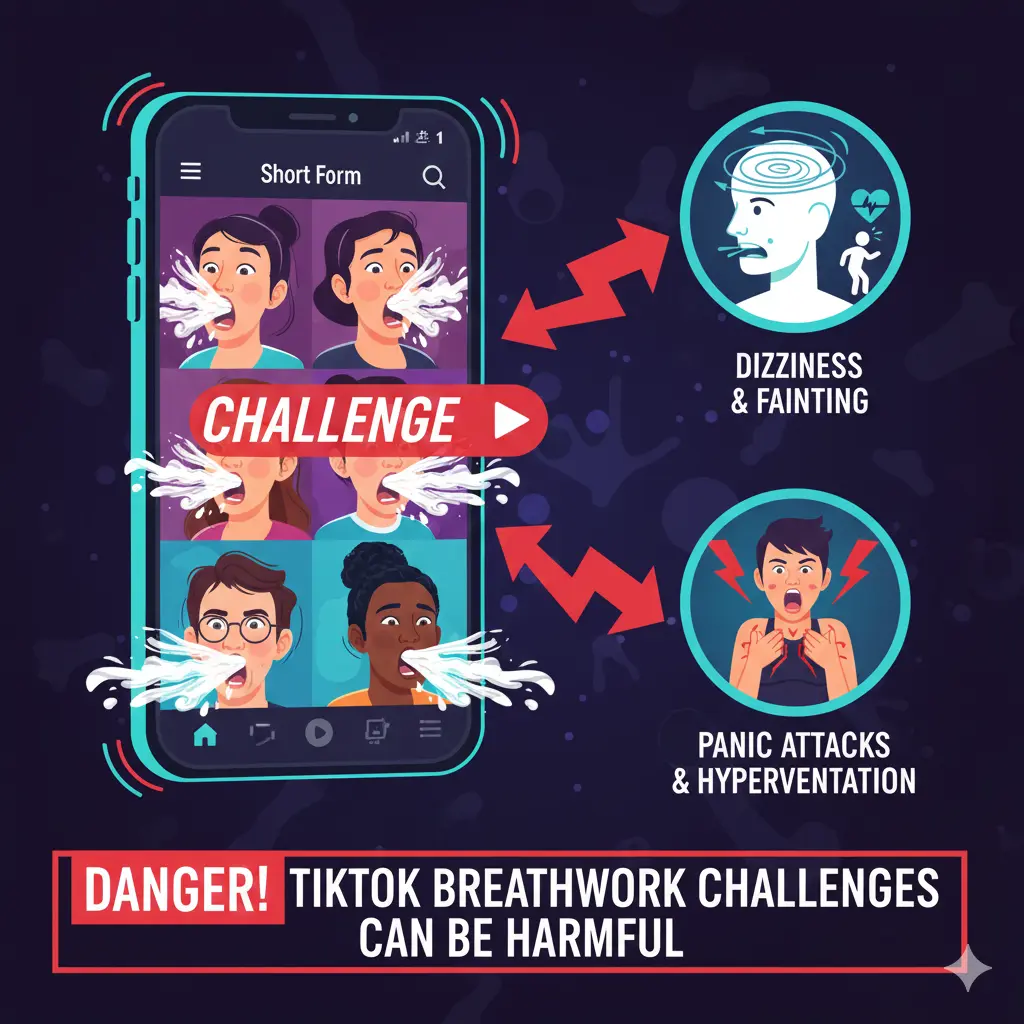
These challenges often involve hyperventilation, extended breath-holding, or rapid breathing patterns.
Can TikTok breathwork cause panic attacks? Absolutely. Dr. Lisa Park, an anxiety specialist, explains: “Unguided breathwork activates your nervous system in unpredictable ways. What creators present as calming techniques often trigger fight-or-flight responses in viewers.”
TikTok breathwork side effects include:
- Dizziness and fainting
- Panic attacks
- Chest pain
- Numbness in hands and feet
Extreme breathwork TikTok safe practices are rare because:
- Creators lack proper training
- Individual health conditions aren’t considered
- Emergency response isn’t available
- Context around contraindications is missing
Safe breathwork alternatives TikTok users should consider include guided meditation apps, working with certified instructors, or simple 4-7-8 breathing techniques learned from reputable sources.
Trend 4: Viral Cleanses and Rituals (Egg Cleansing, Energy Hacks)
Egg cleansing TikTok explained involves rolling eggs over your body to supposedly absorb negative energy, then cracking them open to “read” your spiritual state.
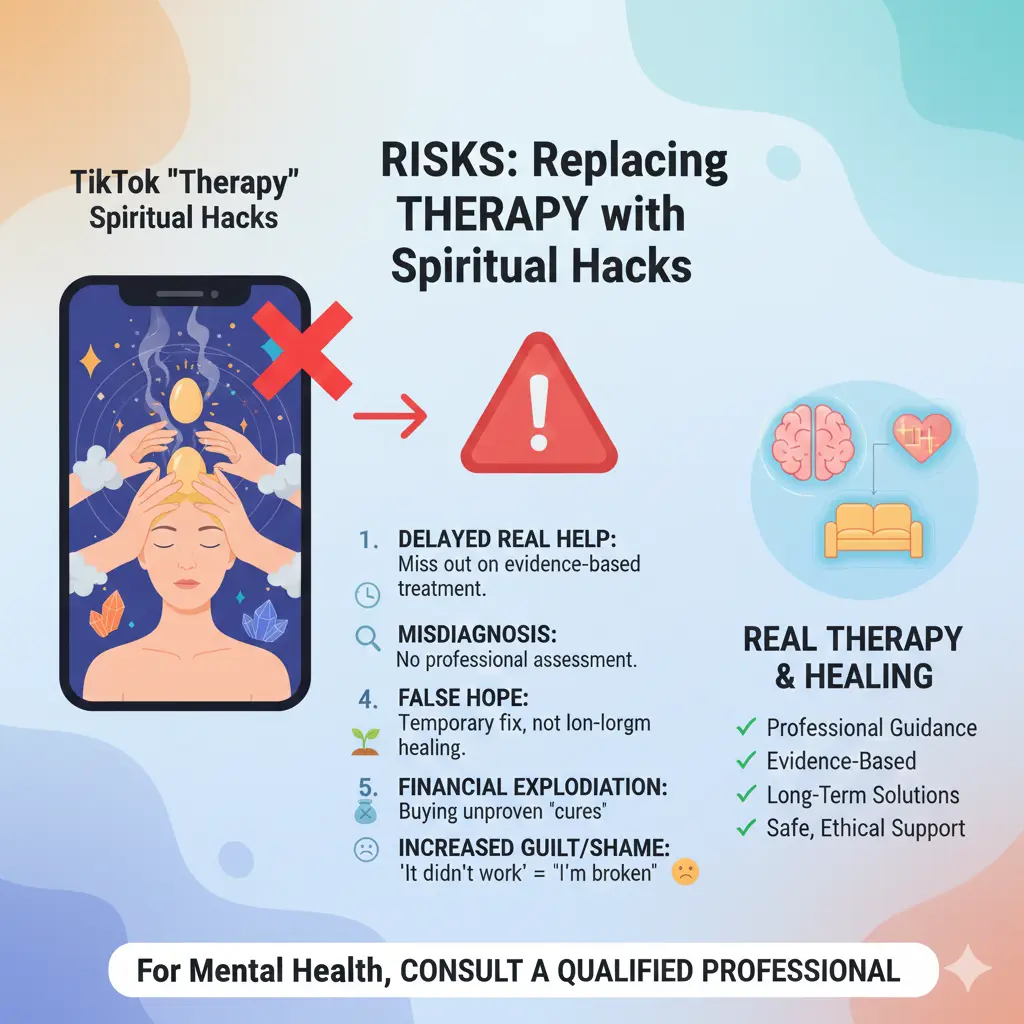
While cultural practices deserve respect, TikTok egg cleanse dangerous aspects emerge when creators promise medical or psychological benefits.
Psychology behind TikTok egg cleanse reveals:
- Placebo effects from ritual behavior
- Temporary sense of control
- Community belonging through shared practices
- Potential for spiritual bypassing
Spiritual hacks TikTok safe or not depends on several factors:
- Are medical claims being made?
- Does the practice replace professional treatment?
- Are vulnerable people being targeted?
- Is cultural appropriation involved?
Dr. Amanda Rodriguez, a clinical psychologist specializing in cultural practices, notes: “Ritual can provide comfort and meaning. Problems arise when people substitute these practices for evidence-based mental health treatment or when creators exploit cultural traditions for views.”
Trend 5: DIY Dental, Skincare and Product Hacks
DIY dental TikTok dangers top psychologists’ concern lists because oral health directly impacts overall wellbeing.
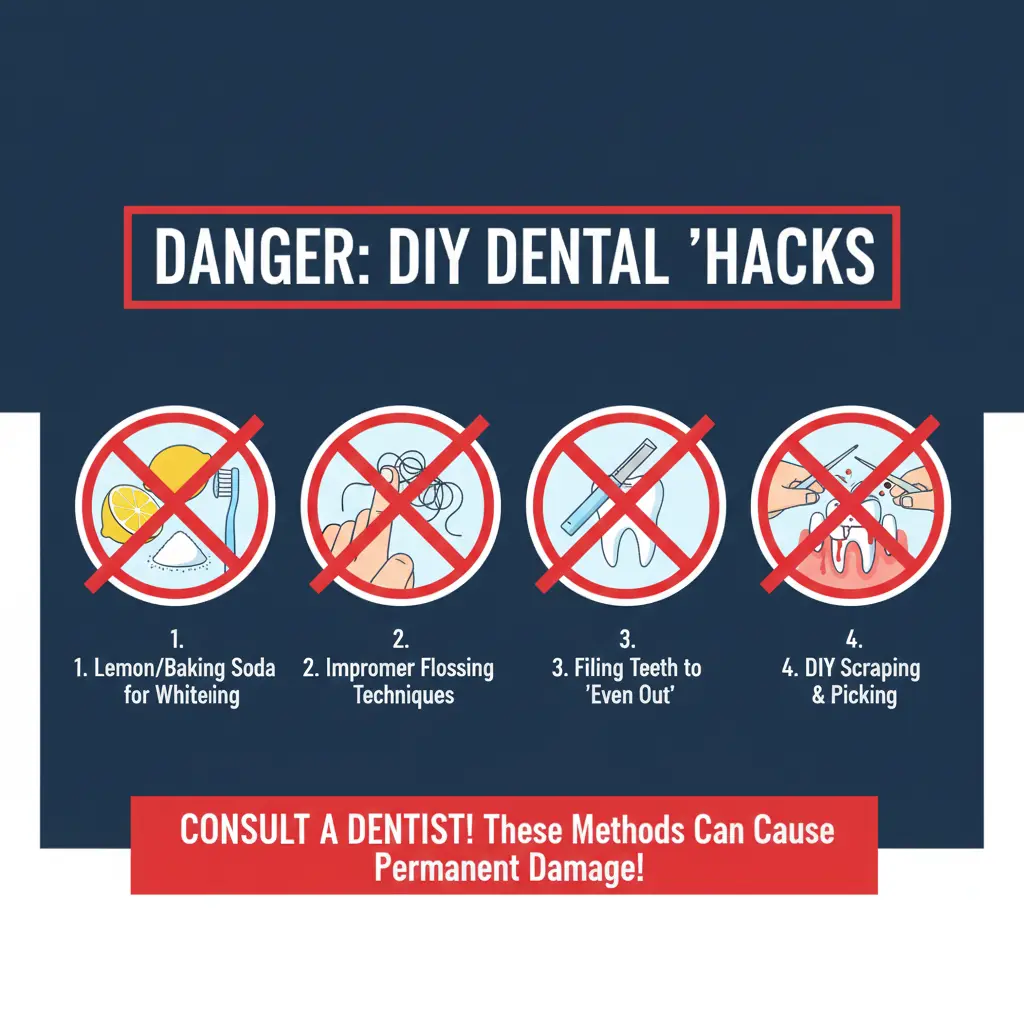
TikTok dental hacks harmful practices include using household items as teeth whitening agents, DIY braces, and unsupervised dental procedures.
TikTok skincare hacks dangerous examples:
- Lemon juice as spot treatment (causes chemical burns)
- Baking soda scrubs (damage skin barrier)
- Essential oils without dilution (severe reactions)
- Sun exposure for acne treatment (increases cancer risk)
TikTok supplements dangerous trends include:
- Unprescribed hormone supplements
- Extreme vitamin megadoses
- Weight loss pills promoted by creators
- Nootropics without medical supervision
Viral TikTok wellness products harmful effects aren’t immediately visible, making them particularly concerning. TikTok skin fasting safe or not depends on your skin type, existing conditions, and proper direction from dermatology professionals.
How to Evaluate a TikTok Self-Care Trend (Free Safety Rubric)
How to evaluate TikTok hacks safely requires a systematic approach. Psychology of TikTok self care reveals why we’re drawn to quick fixes and viral solutions, but evidence based self care vs TikTok requires different evaluation criteria.
Download and use this safety rubric before trying any viral wellness trend:
Red Flags:
- Promises instant results
- Claims to cure serious conditions
- Discourages professional medical care
- Creator lacks relevant credentials
- No mention of potential risks
Green Flags:
- Acknowledges individual differences
- Provides scientific references
- Suggests consulting professionals
- Discusses potential side effects
- Comes from verified health experts
Questions to ask:
- What qualifications does this creator have?
- Are they selling products related to this advice?
- Do they acknowledge potential risks?
- Would my doctor approve of this approach?
- Am I using this to avoid addressing larger issues?
What are viral TikTok wellness hacks to avoid? Any that promise dramatic changes, discourage professional help, or make medical claims without proper backing.
Safer Alternatives You Try Tonight
Many TikTok self care trends ignore basic safety guidelines, which is why professionals recommend evidence based practices instead. Safe alternatives to TikTok self care trends exist for every viral hack you see.
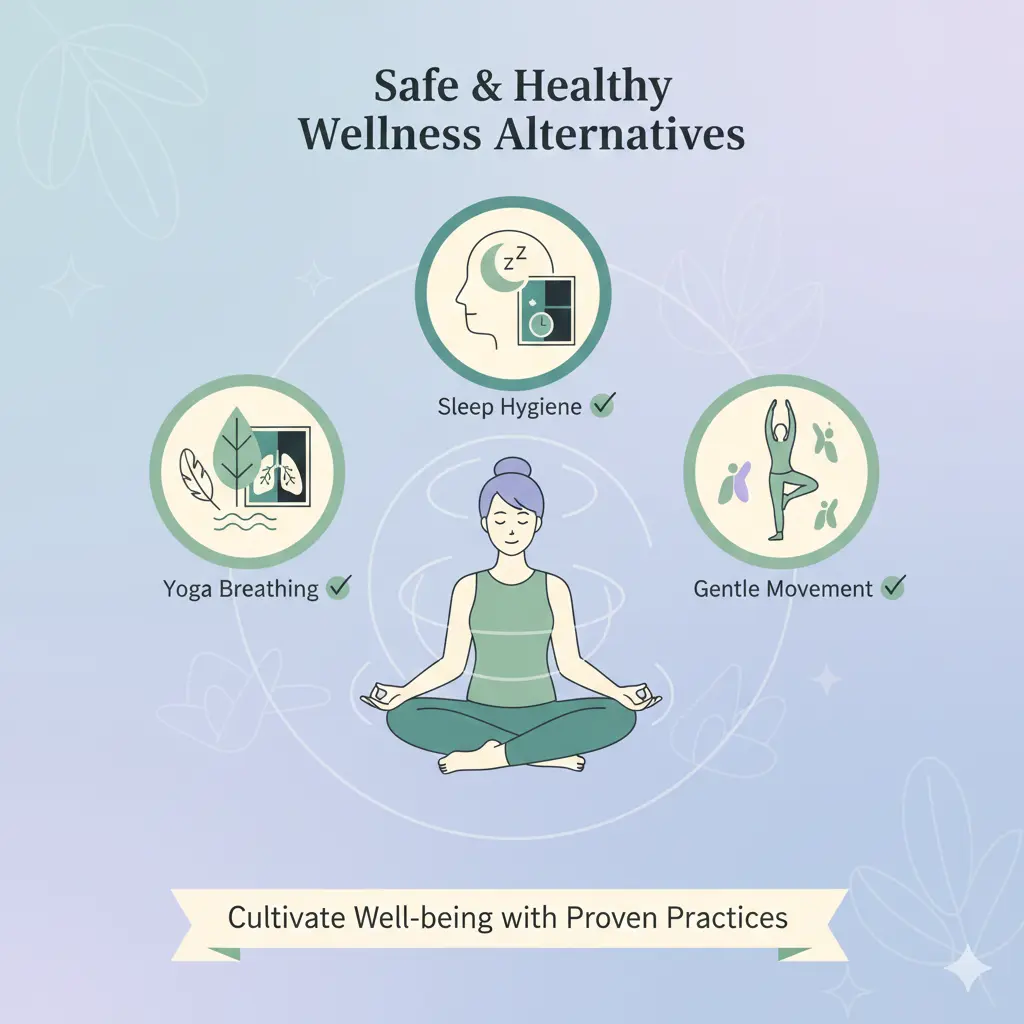
Evidence-based wellness practices provide real benefits without unknown risks.
For better sleep instead of mouth-taping:
- Progressive muscle relaxation
- Sleep hygiene improvements
- White noise or sleep apps
- Consistent bedtime routines
Safe supplements vs TikTok trends:
- Consult healthcare providers first
- Choose third-party tested products
- Start with food sources when possible
- Monitor for interactions
Safe breathwork alternatives TikTok users love:
- Box breathing (4-4-4-4 count)
- Guided meditation apps
- Yoga breathing classes
- Professional breathwork sessions
Remember, TikTok body positivity myths described show how social media can distort healthy practices. Cross-reference viral advice with established wellness resources.
When to See a Professional
Psychology experts TikTok trends analysis shows when social media wellness advice becomes concerning. When to see professional instead of TikTok hacks rest on on your individual situation, but certain signs require attention.
See a mental health professional if you:
- Feel worse after trying viral wellness trends
- Use social media advice to avoid therapy
- Experience anxiety about not following trends
- Notice obsessive behavior around wellness content
- Feel guilty for not achieving viral results
Viral TikTok health risks teens face include:
- Body image distortion from trends
- Eating disorder triggers
- Delayed treatment for real conditions
- Social pressure to try dangerous hacks
- Misinformation about normal development
Healthcare providers recognize the appeal of social media wellness content. They work with you to separate helpful information from potentially harmful advice.
Frequently Asked Questions
Are TikTok self care trends safe?
Most TikTok self-care trends lack scientific backing and proper safety information. While some general wellness advice might be harmless, many viral trends pose physical or psychological risks. Always research claims and consult healthcare providers before trying new wellness practices.
Is mouth taping safe for sleep TikTok?
No, mouth taping for sleep carries significant risks including restricted breathing, worsened sleep apnea, and potential choking hazards. Sleep specialists recommend addressing breathing issues through proper medical evaluation rather than DIY solutions.
What are the dangers of TikTok self diagnosis?
Self-diagnosis through TikTok skips comprehensive professional evaluation, delays proper treatment, creates false hope or unnecessary anxiety, and overlooks important health factors. Mental health conditions require personalized assessment by qualified professionals.
Can TikTok breathwork cause panic attacks?
Yes, unguided extreme breathwork techniques promoted on TikTok often trigger panic attacks, dizziness, chest pain, and other concerning symptoms. Breathwork should be learned from qualified instructors who understand individual health needs.
What are viral TikTok wellness hacks to avoid?
Avoid trends promising instant medical results, discouraging professional care, involving extreme physical practices, making unsubstantiated health claims, or coming from unqualified creators. When in doubt, research the practice through medical sources.
Which TikTok beauty hacks are bad for skin?
Avoid using lemon juice, baking soda scrubs, undiluted essential oils, DIY chemical peels, or any hack promising dramatic overnight changes. These practices damage your skin barrier and create long-term problems.
What are the worst TikTok trends for teens?
The most concerning trends include extreme dieting hacks, DIY dental procedures, self-diagnosis content, unregulated supplement promotion, and body modification advice. Teens are particularly vulnerable to misinformation and peer pressure.
How to evaluate TikTok hacks safely?
Check creator credentials, look for scientific backing, consider potential risks, consult healthcare providers, and avoid trends promising instant dramatic results or discouraging professional medical care.
Your Next Steps
Social media wellness content isn’t going anywhere, but you now have tools to evaluate trends critically. Unproven TikTok health hacks spread because they promise simple solutions to complex problems. TikTok health myths debunked research shows most viral wellness advice lacks proper scientific foundation.
Viral trend dangers explained here protect you from potential harm while keeping you open to legitimate wellness practices. The key difference lies in the source, the claims being made, and whether professional guidance is encouraged or discouraged.
Remember that real wellness takes time, individual assessment, and often professional support. Quick fixes rarely address underlying issues and sometimes create new problems.
📥 Download the complete TikTok Safety Rubric PDF with expanded checklists and warning signs.
Take action today:
- Save this safety rubric for evaluating future trends
- Share this information with friends who follow wellness TikTok
- Schedule appointments with healthcare providers for ongoing concerns
- Explore evidence-based wellness resources instead of relying solely on social media
Your health deserves more than 60-second solutions. Psychologists warn against these viral TikTok self-care trends because they want you to find sustainable wellness practices that actually work for your individual needs.