
Table of Contents
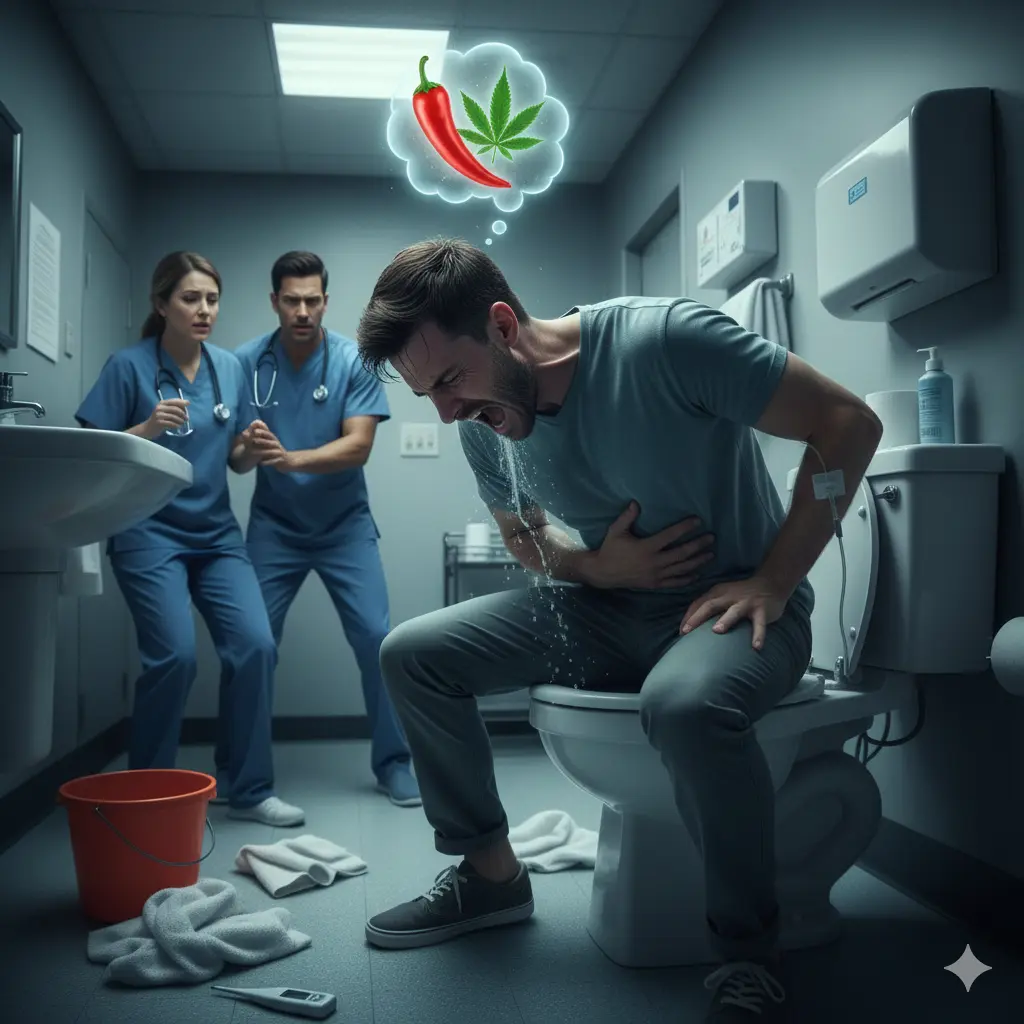
What is scromiting? If you’ve heard this term and wondered about its meaning, you’re not alone. Scromiting describes a distressing condition where people experience extreme vomiting episodes combined with screaming from pain and nausea. Understanding what is scromiting starts with knowing it’s the street name for symptoms of Cannabinoid Hyperemesis Syndrome, or CHS, a condition affecting regular cannabis users.
Scromiting weed disorder have become more common as cannabis potency increases and legalization spreads. Emergency rooms across the country report rising visits from people suffering these severe episodes. Learning about scromiting symptoms, scromiting treatment options, and how to recover from CHS effectively could save you or someone you care about from repeated ER trips and serious health complications, while also helping you manage stress and sleep disruption during recovery.
This guide walks you through everything you need to know about scromiting. You’ll learn how to recognize the warning signs, what to do during an acute episode, which medical treatments show the most promise and realistic recovery timelines after quitting cannabis. We’ll also address common myths, share first-person accounts and point you toward professional help.
What is Scromiting? Understanding the Medical Condition
Scromiting weed disorder combines “screaming” and “vomiting” to describe the extreme symptoms people experience during Cannabinoid Hyperemesis Syndrome episodes. The medical community recognizes CHS as a clinical condition where chronic cannabis use triggers cycles of severe nausea, uncontrollable vomiting and abdominal pain.
Scromiting weed disorder symptoms have become more common as cannabis potency increases and legalization spreads. Emergency rooms across the country report rising visits from people suffering these severe episodes. If you’re wondering how do you know you have scromiting or what to do for CHS episodes, this guide covers everything from recognition to recovery. Learning about scromiting symptoms, scromiting treatment options, and how to help someone with scromiting could save you or someone you care about from repeated ER trips and serious health complications.
According to Cleveland Clinic, CHS develops in people who use cannabis regularly over months or years. The syndrome progresses through distinct phases, with the hyperemetic phase producing the violent vomiting episodes people call scromiting. Patients often scream or cry out because the nausea and stomach pain become unbearable.
The term gained traction on social media platforms like TikTok and Reddit, where users shared videos and personal stories of their experiences. While “scromiting” started as internet slang, the underlying condition is medically documented and increasingly recognized by healthcare providers.
CHS differs from typical morning sickness or food poisoning because traditional anti-nausea medications often fail to provide relief. The condition creates a paradoxical situation where the substance many people use to reduce nausea, cannabis, becomes the cause of severe hyperemesis.
Scromiting Weed Disorder Symptoms: Three Phases of CHS
CHS progresses through three distinct phases, each with specific scromiting symptoms. Recognizing these phases helps you identify the condition early and seek appropriate treatment.
Prodromal Phase
This early stage develops gradually and includes:
- Morning nausea before eating
- Mild abdominal discomfort
- Fear of vomiting
- Normal eating patterns maintained
- Increased cannabis use to ease nausea
The prodromal phase lasts weeks to months. Many people don’t connect these symptoms to cannabis because THC typically reduces nausea. This phase offers the best window for intervention before severe episodes begin.
Hyperemetic Phase
The acute scromiting episode happens during this phase:
- Severe, persistent vomiting (often 5+ times per hour)
- Intense abdominal pain and cramping
- Screaming or moaning from distress
- Weight loss from inability to keep food down
- Dehydration requiring medical intervention
- Compulsive hot bathing behavior
Patients describe overwhelming waves of nausea leading to violent vomiting bouts. The screaming component comes from extreme discomfort and the body’s stress response. These episodes send most people to the emergency room.
Recognizing Severe Scromiting Weed Disorder Symptoms
The most severe scromiting symptoms occur during the hyperemetic phase. Understanding these scromiting symptoms helps you know when emergency care becomes necessary. Scromiting symptoms differ from regular vomiting because they involve extreme intensity, compulsive bathing behavior, and resistance to typical anti-nausea medications.
Recovery Phase
After stopping cannabis use, symptoms gradually resolve:
- Nausea subsides within days to weeks
- Normal eating returns
- Weight restoration begins
- Bathing habits return to baseline
Recovery timelines vary by individual, but most people see significant improvement within 7 to 10 days of complete cannabis cessation.
Diagnostic Checklist to Share With Your Doctor:
- Daily or near-daily cannabis use for 6+ months
- Cyclic vomiting episodes (3+ in one year)
- Compulsive hot bathing during episodes
- Abdominal pain relief from hot water
- Symptoms resolve after stopping cannabis
- Other causes ruled out through testing
Causes and Risk Factors
What causes scromiting remains partly mysterious, but research points to chronic THC exposure disrupting your endocannabinoid system. This internal system regulates nausea, appetite and digestion among other functions.
The THC Connection
Heavy, long-term cannabis use appears to overstimulate cannabinoid receptors in your gut and brain. Initially, THC activates these receptors to reduce nausea. Over time, repeated exposure creates a paradoxical effect where the same receptors trigger severe vomiting instead.
Studies show CHS typically develops after years of regular use, though some people develop symptoms within months. Higher THC concentrations in modern cannabis products may accelerate onset.
Who Gets CHS?
Risk factors include:
- Daily or near-daily cannabis use
- Use duration of 2+ years (though shorter periods reported)
- High-potency products (concentrates, edibles, vaping)
- Younger age groups (peak onset 20s to 30s)
- Genetic factors affecting cannabinoid metabolism
Not everyone who uses cannabis heavily develops CHS. Researchers estimate 2 to 3% of regular users experience the syndrome, though rising ER visits suggest numbers may be higher as product potency increases.
The Endocannabinoid System Disruption
Your body produces natural cannabinoids to regulate various functions. Chronic external THC overwhelms this delicate system. The hypothalamus, which controls body temperature and vomiting reflexes, shows particular sensitivity to this disruption.
This explains why hot showers provide temporary relief. The external heat may reset temperature regulation temporarily, competing with the faulty signals causing nausea and vomiting.
How Do You Know You Have Scromiting Weed Disorder?
No single test confirms CHS. Doctors diagnose scromiting through clinical evaluation, symptom patterns and ruling out other conditions.
Diagnostic Process
Your healthcare provider will:
- Review medical history – Document cannabis use frequency, duration and product types
- Physical examination – Check for dehydration signs and abdominal tenderness
- Laboratory tests – Blood work, metabolic panels and urinalysis
- Imaging studies – CT scans or ultrasounds to exclude structural problems
- Rule out alternatives – Screen for infections, pancreatitis, gastroparesis
Differential Diagnosis
Doctors must distinguish CHS from:
- Cyclic vomiting syndrome – Similar symptoms but not cannabis-related
- Gastroenteritis – Infectious causes produce fever and diarrhea
- Pancreatitis – Elevated lipase and amylase levels
- Gastroparesis – Delayed stomach emptying on testing
- Peptic ulcer disease – Visible on endoscopy
The diagnostic hallmark remains symptom resolution after stopping cannabis. If vomiting persists despite weeks of abstinence, doctors investigate other causes.
Questions Your Doctor Will Ask
- How long have you used cannabis?
- How often do you use (daily, weekly)?
- What products do you use (flower, concentrates, edibles)?
- When did vomiting episodes start?
- Do hot showers or baths help?
- Have you stopped cannabis temporarily? Did symptoms improve?
- Do you have family history of vomiting disorders?
Be honest about cannabis use. Your doctor needs accurate information to diagnose correctly and avoid unnecessary tests or treatments.
Immediate Scromiting Treatment: What to Do During an Episode
If you’re experiencing a scromiting episode, follow these immediate steps while deciding whether you need emergency care.
First Hour Action Plan
Step 1: Assess severity
- Count vomiting frequency (more than 5 times per hour needs medical attention)
- Check for blood in vomit
- Monitor mental clarity and dizziness
Step 2: Begin rehydration
- Sip small amounts of water or electrolyte drinks
- Avoid solid food until vomiting slows
- Try ice chips if liquids come back up
Step 3: Try hot water relief
- Take a warm shower (not scalding)
- Use heating pad on abdomen
- Keep sessions under 30 minutes to avoid skin burns
Step 4: Contact medical help if you experience
- Unable to keep any fluids down for 12+ hours
- Blood in vomit
- Severe abdominal pain
- Confusion or extreme weakness
- Rapid heart rate or chest pain
- Dark urine or no urination for 8+ hours
When to Call 911
Seek emergency services immediately for:
- Seizures or loss of consciousness
- Severe dehydration signs (sunken eyes, no tears, extreme thirst)
- Chest pain or difficulty breathing
- Inability to stand or walk
- Severe confusion or slurred speech
What Not to Do
- Don’t continue using cannabis thinking it will help
- Don’t take multiple anti-nausea medications without medical guidance
- Don’t stay in hot water for extended periods (risk of burns)
- Don’t delay ER visit hoping symptoms resolve on their own
Emergency care focuses on stopping dehydration and providing symptom relief until the episode passes.
How to Help Someone With Scromiting
If someone you care about is experiencing a scromiting episode, knowing how to respond makes a significant difference. Here’s your action plan for helping someone through CHS symptoms.
Stay Calm and Assess the Situation
First, determine severity. Count how many times they’ve vomited in the past hour. More than five times signals you need emergency help. Check if they’re able to respond to questions and stay oriented.
Provide Immediate Comfort
Help them get to a bathroom or place a bucket nearby. Offer small sips of water between vomiting episodes. Don’t force fluids if they come right back up.
Facilitate Hot Water Relief
Run a warm shower for them. Stay nearby to monitor but give privacy. Set a timer for 20 minutes to prevent overheating or skin damage. Have towels and comfortable clothes ready.
When to Take Them to the ER
Drive them to emergency care if they show signs of severe dehydration (dark urine, extreme weakness, confusion). Blood in vomit requires immediate medical attention. Call 911 if they lose consciousness or have seizures.
Support During Recovery
Encourage complete cannabis cessation. Remove cannabis products from shared spaces. Offer to attend doctor appointments with them. Connect them with support resources like SAMHSA’s helpline at 1-800-662-4357.
What Not to Say
Avoid dismissing their pain or suggesting they use cannabis to feel better. Don’t pressure them to eat solid food until vomiting stops. Skip lectures about cannabis use during acute episodes; focus on getting them through the crisis first.
Scromiting Weed Disorder Treatment: Medical Options and Evidence
Effective scromiting weed disorder treatment requires understanding that traditional approaches often fail. Scromiting treatment in emergency departments focuses on hydration, symptom management, and newer medications showing promise. The most effective scromiting treatment long-term remains complete cannabis cessation, though immediate care addresses acute symptoms.

Healthcare providers use several approaches to manage scromiting symptoms during acute episodes. Understanding which treatments work helps you advocate for effective care.
Emergency Department Standard Care
Intravenous fluids form the foundation of treatment. Severe vomiting depletes fluid and electrolytes rapidly. IV hydration restores volume, corrects electrolyte imbalances and helps kidneys function properly.
Antiemetic medications show mixed results:
- Ondansetron (Zofran) – Standard anti-nausea drug, limited effectiveness for CHS
- Metoclopramide (Reglan) – Increases gut motility, minimal benefit reported
- Prochlorperazine (Compazine) – Traditional ER antiemetic, inconsistent results
Traditional antiemetics work poorly for CHS because the condition stems from cannabinoid receptor dysfunction rather than typical nausea pathways.
Emerging Treatment Options
Haloperidol shows promising results in several studies. This antipsychotic medication blocks dopamine receptors and may interrupt the vomiting reflex. Typical ER doses range from 2.5 to 5 mg, with some patients reporting rapid symptom relief.
Research from multiple emergency departments indicates haloperidol reduces vomiting frequency and hospital admission rates compared to standard antiemetics. Side effects include drowsiness and restlessness.
Evidence-Based Scromiting Treatment Approaches
Research into scromiting treatment continues evolving as more cases appear in emergency departments. Current scromiting treatment protocols combine IV hydration with medications like haloperidol and capsaicin cream. Healthcare providers specializing in scromiting treatment recognize that standard antiemetics provide limited relief compared to these newer approaches.
Capsaicin cream applied to the abdomen provides relief for some patients. The active ingredient in hot peppers creates a warming sensation similar to hot showers. Studies suggest capsaicin affects the same nerve pathways disrupted in CHS.
Application involves rubbing the cream on the upper abdomen in circular motions. Relief typically begins within 30 to 60 minutes. Some people experience skin irritation, so test a small area first.
Benzodiazepines like lorazepam help reduce anxiety and nausea in acute settings. These medications calm the nervous system but don’t address root causes. Doctors use them cautiously due to addiction potential.
What Doesn’t Work
Despite patient requests, these approaches lack supporting evidence:
- Continued cannabis use (worsens the condition)
- High-dose vitamin therapy
- Probiotics or digestive enzymes
- Acupuncture or pressure-point therapy
- Herbal supplements
The only definitive cure remains complete cannabis cessation. All other treatments provide temporary symptom management during the recovery period.
Home Remedies and Temporary Relief
While medical treatment remains essential for severe episodes, several home strategies provide temporary comfort during milder symptoms or early recovery.
Hot Water Therapy
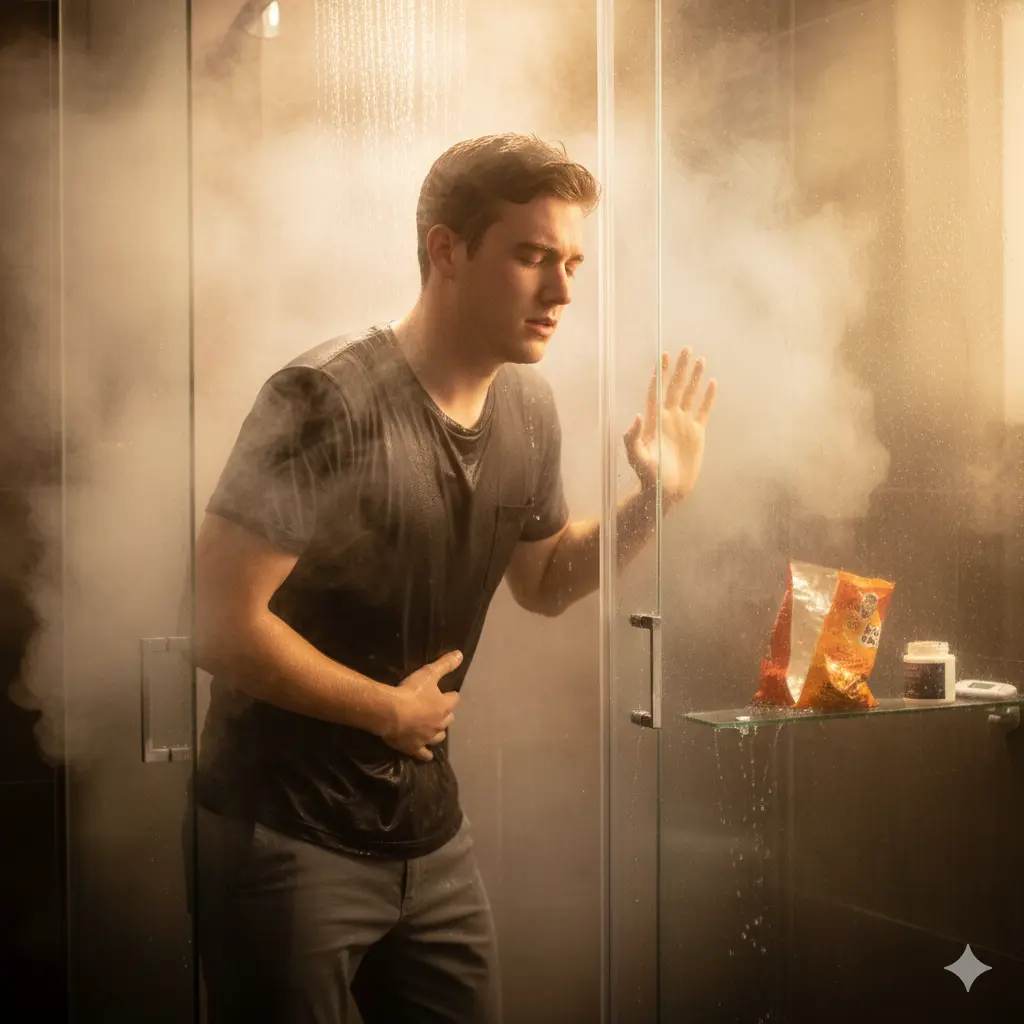
Taking warm showers or baths offers the most consistent home relief. Most people with CHS discover this instinctively, spending hours in hot water during episodes.
How to use hot water safely:
- Keep water temperature warm but not scalding (test with your hand first)
- Limit sessions to 20 to 30 minutes to prevent dehydration and skin damage
- Take breaks between showers
- Drink water before and after bathing
- Apply moisturizer to prevent skin dryness
Hot water provides temporary relief by affecting temperature receptors and possibly resetting the hypothalamus signals causing nausea. Relief typically lasts 30 minutes to a few hours after leaving the water.
Over-the-Counter Options
Standard OTC medications show limited effectiveness:
- Antacids – May ease stomach discomfort but won’t stop vomiting
- Ginger supplements – Traditional nausea remedy, minimal impact on CHS
- Dramamine or Bonine – Motion sickness drugs, generally ineffective for CHS
Hydration Strategies
Maintaining fluid intake between vomiting bouts prevents severe dehydration, and pairing it with safe wellness habits helps your body recover more efficiently:
- Sip small amounts frequently (1 to 2 tablespoons every 10 minutes)
- Try electrolyte solutions like Pedialyte or sports drinks
- Suck on ice chips or popsicles
- Avoid caffeine and alcohol (worsen dehydration)
- Choose clear liquids over dairy or thick fluids
Dietary Approaches During Recovery
Once vomiting slows, reintroduce food gradually:
- Start with bland foods (crackers, toast, rice)
- Eat small portions every 2 to 3 hours
- Avoid spicy, fatty or acidic foods initially
- Progress slowly to normal diet over several days
Remember these home remedies provide temporary comfort only. They don’t treat the underlying cause. Stopping cannabis completely remains the only way to resolve CHS permanently.
Recovery and Relapse Prevention
How long does it take to recover from cannabinoid hyperemesis syndrome? Most people see significant improvement within days to weeks after complete cannabis cessation, though individual timelines vary.
Recovery Timeline
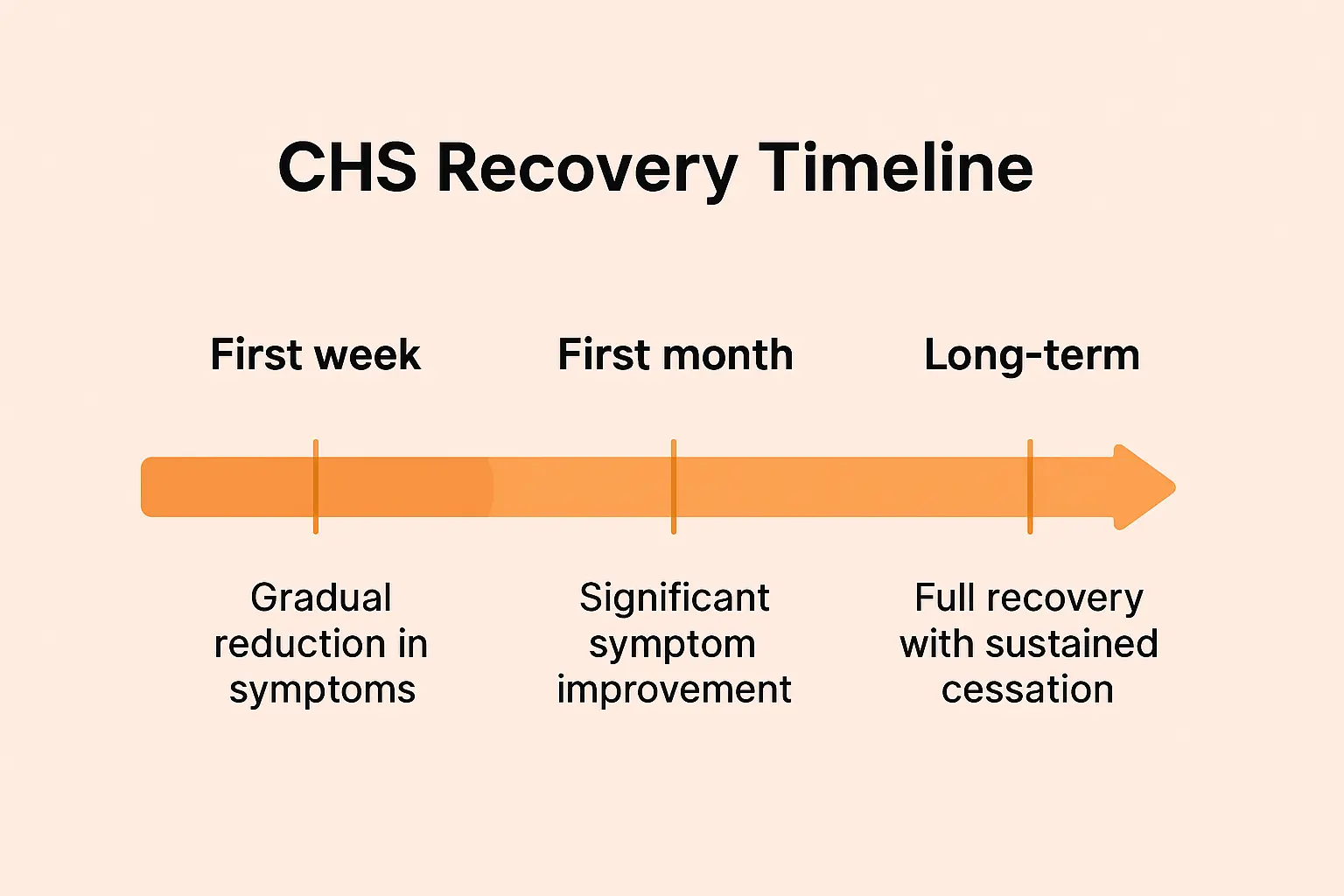
Days 1 to 3:
- Vomiting frequency decreases
- Nausea begins to subside
- Hot shower dependency reduces
- Hydration improves
Week 1:
- Most acute symptoms resolve
- Appetite returns gradually
- Normal fluid intake resumes
- Energy levels start improving
Weeks 2 to 4:
- Complete symptom resolution for most people
- Weight restoration begins
- Normal eating patterns return
- Physical recovery progresses
Months 1 to 3:
- Full recovery achieved
- Risk of relapse if cannabis use resumes
- Underlying gut function normalizes
Some people experience lingering mild nausea or appetite changes for several weeks. Persistent symptoms beyond one month warrant medical follow-up to rule out other conditions.
Preventing Relapse
Cannabis cessation must be complete and permanent. Even occasional use can trigger symptom return, so adopting healthy daily routines can support long-term success. Studies show resuming cannabis after recovery often leads to faster, more severe episodes.
Strategies for maintaining abstinence:
- Remove all cannabis products from your home
- Avoid situations where others use cannabis
- Find alternative coping strategies for stress or sleep issues
- Join support groups (Marijuana Anonymous, SMART Recovery)
- Address underlying reasons for cannabis use with a therapist
- Inform friends and family about your condition for accountability
Addiction Support Resources
If you struggle to quit despite knowing the health consequences, you may benefit from addiction treatment:
- Outpatient counseling focusing on cannabis use disorder
- Cognitive behavioral therapy to address triggers
- Substance abuse treatment programs
- Medication-assisted treatment for co-occurring conditions
- Peer support groups
Contact SAMHSA’s National Helpline at 1-800-662-4357 for free, confidential treatment referrals available 24/7.
Follow-Up Medical Care
Schedule appointments with your primary care provider or gastroenterologist to:
- Monitor symptom resolution
- Address any persistent digestive issues
- Screen for complications from repeated vomiting (esophageal damage, dental problems)
- Discuss mental health support if needed
- Create a long-term wellness plan
Regular follow-up helps ensure complete recovery and catches any complications early.
Where to Find Help and Telemedicine Options
Getting proper diagnosis and treatment for scromiting requires connecting with healthcare providers familiar with CHS.
Finding Local Specialists
Gastroenterologists handle most CHS cases outside emergency settings. Search for providers in your area using:
- Insurance provider directories
- Hospital physician finder tools
- Healthgrades or Zocdoc platforms
- Local medical society referral services
When scheduling, mention cannabinoid hyperemesis syndrome specifically. Some offices prioritize urgent digestive issues.
Emergency Departments near you treat acute scromiting episodes. Call ahead to ask if their ER physicians have CHS treatment protocols. Larger urban hospitals typically have more experience with the condition.
Telemedicine Services
Virtual healthcare offers convenient access for:
- Initial consultations about symptoms
- Follow-up care during recovery
- Prescription refills for supportive medications
- Counseling for cannabis cessation
Telemedicine platforms with digestive health specialists:
- MDLive
- Teladoc
- Doctor on Demand
- Your insurance provider’s telehealth service
Telemedicine works well for consultation and follow-up but not during acute episodes requiring IV fluids or emergency intervention.
Online Support Communities
Connecting with others who understand CHS provides emotional support and practical advice:
- Reddit r/CHSinfo community
- Facebook CHS support groups
- Online forums at cannabis hyperemesis syndrome awareness websites
- Anonymous sharing platforms
These communities offer peer experiences but shouldn’t replace medical advice. Verify information shared in forums with healthcare providers.
Mental Health Resources
Dealing with a chronic condition and stopping cannabis use creates emotional challenges, which you can address through thought management strategies and mindful practices.:
- BetterHelp or Talkspace for online therapy
- Local therapists specializing in substance use and chronic illness
- Support groups addressing cannabis dependence
- Crisis Text Line (text HOME to 741741) for immediate support
Taking care of your mental health during recovery improves long-term success rates.
Common Myths and Falsehoods About Scromiting
Social media and internet forums spread several misconceptions about CHS. Separating fact from fiction helps you make informed decisions.
“Scromiting isn’t real, just anti-cannabis propaganda”
CHS appears in peer-reviewed medical literature and diagnostic guidelines. Healthcare providers worldwide recognize and treat the condition. While the slang term originated online, the syndrome itself has solid clinical documentation.
Emergency departments report increasing CHS cases as cannabis legalization spreads and product potency rises. This trend matches predictions from medical researchers studying long-term cannabis effects.
“You have to use synthetic cannabis to get CHS”
Natural cannabis causes CHS, not synthetic cannabinoids. While synthetic products carry their own severe risks, CHS develops from regular marijuana use, whether smoked, vaped or consumed as edibles. High-THC products may accelerate development, but any chronic cannabis use creates risk.
“CBD products will help treat CHS symptoms”
No evidence supports CBD as a CHS treatment. Some people theorize CBD might counteract THC effects, but clinical experience shows it doesn’t relieve scromiting episodes. In fact, full-spectrum CBD products containing trace THC could potentially worsen symptoms.
“Hot showers cure CHS”
Hot water provides temporary symptom relief, not a cure. The compulsive bathing behavior actually helps doctors diagnose CHS. True recovery requires complete cannabis cessation. Relying solely on hot showers leads to skin damage, water bill increases and delayed proper treatment.
“CHS only affects people who use concentrates or dabs”
Any form of regular cannabis use creates CHS risk. While higher-potency products may lead to faster syndrome development, people using traditional flower also develop the condition. Method of consumption (smoking, vaping, edibles) doesn’t prevent CHS.
“Switching to edibles or changing strains will stop episodes”
CHS stems from chronic THC exposure regardless of consumption method or strain. Switching products or formats doesn’t resolve the underlying cannabinoid receptor dysfunction. Complete abstinence remains the only reliable solution.
Understanding these myths prevents wasted time on ineffective strategies and helps you focus on evidence-based treatment approaches.
Videos and First-Person Accounts
Social media platforms contain numerous scromiting videos and personal stories from people experiencing CHS. These accounts provide valuable insight into the condition’s impact.
TikTok Documentation
Several TikTok creators have shared their CHS experiences, showing:
- Real-time vomiting episodes (content warning: graphic)
- Emergency room visits and IV fluid treatment
- Compulsive hot shower behavior
- Recovery journeys after quitting cannabis
- Educational content from healthcare workers
One viral video from @chswarrior shows a patient during a severe episode, documenting 12 hours of continuous vomiting and the relief found only in hot water. The creator later posted recovery updates showing symptom resolution after cannabis cessation.
Reddit Community Experiences
The r/CHSinfo subreddit hosts detailed accounts from people managing the condition:
- Emergency room treatment reports
- Medication effectiveness discussions
- Recovery timelines and setbacks
- Support for newly diagnosed individuals
- Medical professional insights
Common themes across Reddit posts include initial disbelief about cannabis causing symptoms, multiple ER visits before correct diagnosis, and the challenge of quitting after years of use.
YouTube Educational Content
Several medical professionals and health educators have created explanatory videos:
- Doctor Mike’s CHS explainer (2.3M views)
- Gastroenterology clinic case presentations
- Patient interview series
- Symptom recognition guides
These longer-format videos provide detailed medical background and treatment discussions missing from shorter social media clips.
Credibility Considerations
When viewing scromiting content online:
- Verify medical claims against established health sources
- Recognize that individual experiences vary
- Watch for misinformation about “cures” or unproven treatments
- Use personal stories as context, not medical guidance
- Consult healthcare providers about your specific situation
First-person accounts humanize medical conditions and reduce isolation for those affected. However, they complement rather than replace professional medical advice.
Frequently Asked Questions
How do you know if you have scromiting weed disorder?
You know you have scromiting weed disorder if you use cannabis regularly and experience cyclic vomiting episodes that improve with hot showers. The combination of daily cannabis use, repeated vomiting attacks, compulsive bathing behavior, and failed traditional nausea treatments confirms CHS. Medical testing rules out other causes.
What should you do when CHS scromiting occurs?
Stop all cannabis use immediately. Begin hydrating with small sips of water or electrolyte drinks. Take warm showers for temporary relief. Go to the emergency room if you vomit more than 10 times, see blood in vomit, or show signs of severe dehydration. Request IV fluids and newer medications like haloperidol from ER doctors.
How to help someone experiencing scromiting?
Help them access hot showers, offer small amounts of fluids between vomiting, and take them to the ER if symptoms become severe. Remove cannabis from their environment and support their recovery by connecting them with medical care and addiction resources. Stay calm and avoid judgment during acute episodes.
Do hot showers help scromiting?
Many patients get temporary relief from hot baths or showers. This eases symptoms but does not treat the underlying cause. The compulsive bathing behavior actually helps doctors diagnose CHS.
How long after quitting cannabis will symptoms stop?
Many people see improvement within days to weeks, but timelines vary. Most experience significant relief within 7 to 10 days of complete cessation. Ongoing follow-up is recommended to monitor full recovery.
Is scromiting real or a meme?
A real syndrome recognized in medical literature, though the slang term spread through social media and memes. Healthcare providers worldwide diagnose and treat CHS in emergency departments and gastroenterology clinics.
Who is at risk for developing CHS?
People who use cannabis daily or near-daily for months to years face the highest risk. Younger adults in their 20s and 30s represent the most common age group affected, though CHS develops at any age with sufficient exposure.
Will stopping cannabis for a few weeks cure CHS?
Complete, permanent abstinence is required. Even occasional use after symptom resolution often triggers faster, more severe episodes. Brief breaks don’t reset the endocannabinoid system dysfunction.
What medications work best for scromiting symptoms?
Haloperidol shows the most promise based on recent emergency department studies. Traditional antiemetics like ondansetron provide limited relief. IV fluids remain the most critical intervention for severe episodes.
Conclusion
Scromiting represents a serious medical condition requiring immediate attention and long-term cannabis cessation. Cannabinoid Hyperemesis Syndrome affects thousands of regular cannabis users, causing severe vomiting episodes, dehydration and serious health complications.
If you recognize these symptoms in yourself or someone you care about, take action now. Seek medical evaluation to rule out other conditions and get proper diagnosis. During acute episodes, emergency department care provides essential fluid replacement and symptom management. Beyond immediate treatment, recovery depends entirely on stopping all cannabis use permanently.
The path forward involves honest conversation with healthcare providers, commitment to abstinence and support systems to maintain recovery. Whether through medical professionals, online communities or mental health counseling, resources exist to help you through this challenging condition.
Your health matters more than any substance. Complete cannabis cessation offers the only reliable path to ending scromiting episodes and reclaiming your wellbeing.
Take the next step: Schedule an appointment with your doctor if you experience cyclic vomiting and use cannabis regularly. Share this article with friends or family members who might benefit from this information. Join online support communities to connect with others managing CHS recovery.You now understand what is scromiting, recognize scromiting symptoms across all three phases, and know available scromiting treatment options. Whether you’re experiencing scromiting symptoms yourself or helping someone who is, this knowledge empowers you to seek appropriate care. Remember that effective scromiting treatment starts with proper diagnosis and ends with complete cannabis cessation for lasting recovery.