
Table of Contents
I keep a small ceramic elephant from Thailand on my desk.
Cost me two dollars at a street market in Bangkok. Fits in my palm. Looks nothing like the expensive decor in the rest of my office.
But when deadlines pile up and stress hits hard, I reach for that elephant. The texture under my fingers brings me right back to that afternoon wandering through Chatuchak Market. The smell of street food. The sounds of vendors calling out. The feeling of complete freedom.
Stress doesn’t vanish when I hold it. But something shifts.
That cheap little elephant does something I never expected when I bought it seven years ago. It builds resilience. Real, measurable, psychological resilience.
Turns out I’m not alone. Research shows people who collect random souvenirs from trips develop stronger emotional resilience over time. These objects become more than decorative clutter or dust collectors. They transform into psychological tools that anchor memories, reinforce identity, and provide tangible comfort during difficult moments.
Here’s why those random travel trinkets sitting on your shelf matter more than you think.
The Science Behind Souvenirs and Emotional Resilience
Emotional resilience describes your ability to adapt, recover, and bounce back from stress and adversity.
Some people crumble under pressure. Others bend but don’t break.
The difference often comes down to psychological resources. Tools and strategies your brain uses to process difficult emotions and maintain stability during chaos.
Souvenirs function as one of these resources, though most people never realize it.
Research published in the Journal of Quality Assurance in Hospitality & Tourism found that souvenirs play a pivotal role in managing emotions and boosting psychological well-being. The study revealed these objects act as tangible reminders, narrative triggers, emotional catalysts, relaxation tools, and means of identity expression.
Translation? That magnet from Rome or that seashell from Bali isn’t just taking up space. It’s actively supporting your mental health.
How Memory Encoding Creates Emotional Anchors
Your brain stores experiences differently when physical objects connect to them.
Scientists call this episodic memory. Specific events tied to particular contexts, emotions, and sensory details. Souvenirs trigger these episodic memories instantly.
Hold a ticket stub from a concert three years ago, and your brain reconstructs that entire experience. The music. The crowd energy. Who you went with. How you felt.
This process does more than spark nostalgia. It provides access to the positive emotions you experienced during that time. When current life feels overwhelming, these anchored memories offer emotional refuge.
Studies show that souvenirs allow tourists to carry elements of their holiday into everyday lives, helping them transition from the extraordinary back to the ordinary. These objects encapsulate not just memories but the intangible emotions associated with your journey.
The physical presence matters. Digital photos live on phones we scroll past mindlessly. Souvenirs demand attention. You dust them. Rearrange them. Notice them while making coffee or sitting at your desk.
Each encounter reconnects you with positive experiences. Each reminder strengthens your emotional foundation.
Identity Formation Through Collected Objects
Who are you?
Your answer likely includes places you’ve been, experiences you’ve had, challenges you’ve overcome.
Souvenirs make these abstract identity elements concrete. They provide physical evidence of your personal narrative.
Psychologists call this the continuity of self. Your need to feel like the same person even as life changes around you. Travel souvenirs bridge past and present versions of yourself, creating coherent identity across time.
Someone who collects snow globes from every trip isn’t just gathering dust-collecting spheres. They’re building a visual representation of their curiosity, their willingness to explore, their commitment to experiencing the world beyond familiar boundaries.
This identity reinforcement builds resilience by strengthening your sense of self. When adversity strikes, people with strong self-concepts recover faster. They know who they are independent of current circumstances.
Your souvenir collection reminds you: “I’m someone who explores. Who takes risks. Who seeks beauty and meaning.” That reminder holds power during moments when life makes you question everything.
Practical Ways Souvenirs Build Emotional Strength
Understanding why souvenirs work is interesting. Using them intentionally is transformative.
Most people collect souvenirs passively. See something cute. Buy it. Stick it on a shelf. Never think about it again.
Deliberate souvenir collecting amplifies resilience benefits exponentially.
Creating Your Personal Resilience Corner
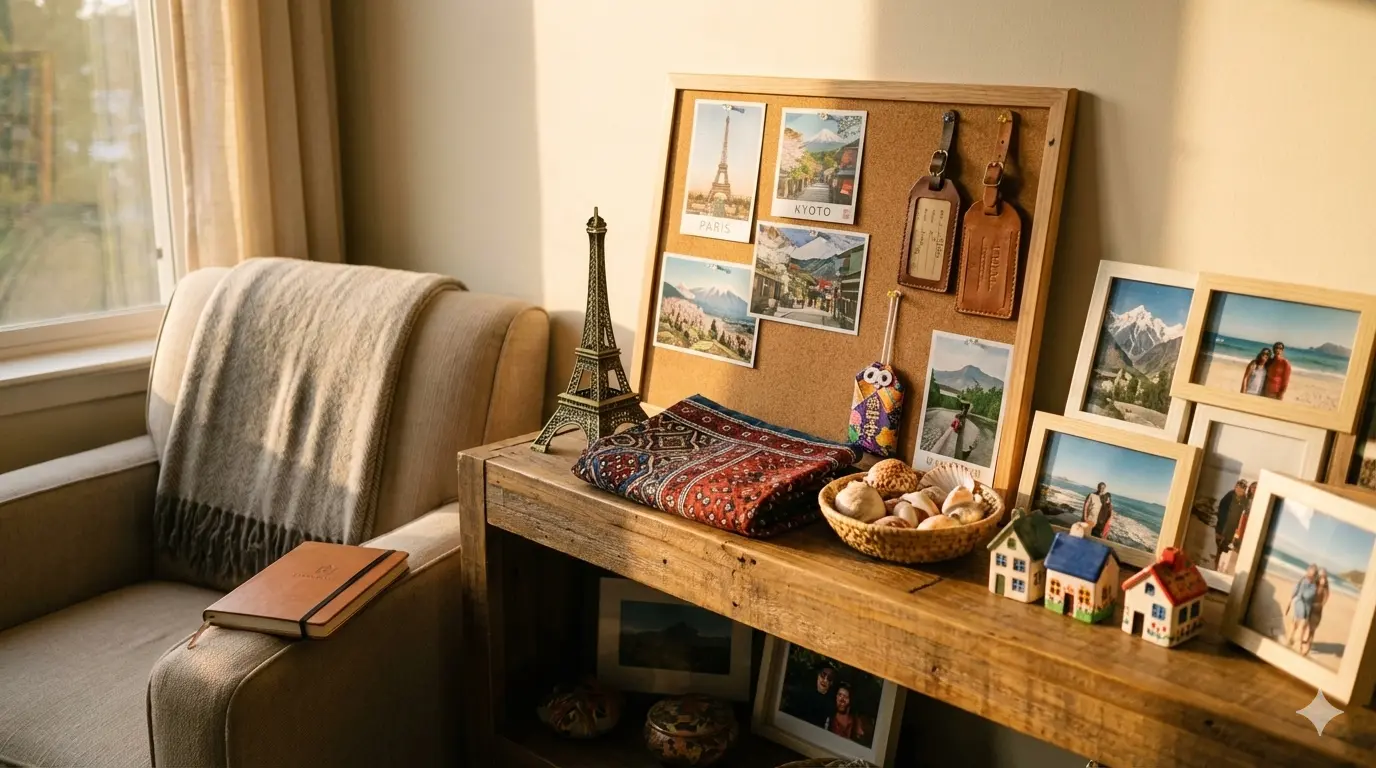
Designate a specific space for travel mementos in your home.
Not random placement throughout your house. One intentional location where souvenirs gather together.
This physical space becomes your resilience corner. A spot you visit during difficult times to reconnect with positive memories and emotions. Research shows that revisiting travel memories through objects provides tangible tools for emotional regulation when facing stress.
Your corner might be a bookshelf. A corner of your desk. A shadow box on the wall. The specific location matters less than the intention behind it.
Arrange items thoughtfully. Group souvenirs by theme, by trip, or by emotional significance. The arrangement process itself becomes meditative, forcing you to reflect on experiences and their meaning in your life.
Documenting Context for Future You
Memory fades faster than we admit.
Two years after a trip, you’ll remember highlights but lose details. Five years later, whole experiences blur together. Ten years out, you might struggle to recall why you bought that particular item.
Combat memory decay through simple documentation.
When you acquire a souvenir, write down:
- Where you got it
- What you were doing that day
- Who you were with
- How you felt in that moment
- Why this specific item called to you
Keep these notes with the souvenirs or in a travel journal. Future you will thank present you for preserving context that transforms simple objects into powerful emotional anchors.
One study tracking tourists found that the desire to collect mementos is closely tied to emotion and timing. People feel most inclined to purchase souvenirs when meaningful experiences near their end. The sadness of endings drives stronger attachment to physical reminders.
Capturing that emotional context when it’s fresh preserves the full power of the memory.
Mindful Reflection During Stressful Periods
Use souvenirs as mindfulness tools when stress overwhelms you.
Instead of doomscrolling or stress-eating, spend five minutes with your souvenir collection. Pick up objects one at a time. Feel their texture. Notice their weight. Let memories surface without forcing them.
This practice serves two purposes. First, it interrupts stress response patterns. Your nervous system shifts from fight-or-flight into a calmer state as you engage with positive memories.
Second, it reminds you of your resilience. Every souvenir represents a time you stepped outside your comfort zone. Navigated unfamiliar territory. Adapted to new situations. Overcame challenges.
Those past demonstrations of adaptability prove you possess resilience already. Current difficulties don’t change that fundamental truth. Learn additional stress management strategies.
Deciding What Souvenirs to Collect
Not all souvenirs carry equal emotional weight.
Mass-produced tourist trap trinkets rarely build the same connection as items you choose with intention. The difference lies in meaning, not price.
| Factor | Choose This Type | Avoid This Type |
| Emotional Connection | Items tied to specific meaningful moments | Generic items bought out of obligation |
| Authenticity | Locally made, culturally significant pieces | Mass-produced imports sold everywhere |
| Personal Significance | Objects that resonate with your interests | Items everyone else buys |
| Practicality | Small enough to display or store easily | Bulky items that create storage problems |
| Ethics | Sustainably sourced, supporting local artisans | Items exploiting cultures or ecosystems |
The best souvenirs tell stories you want to remember. They connect to experiences that shaped you, challenged you, or brought you joy.
My Thai elephant cost almost nothing but represents a solo trip where I faced serious fears about traveling alone. That context makes it priceless for resilience building.
Your $200 vase bought because it matched your decor? Probably won’t carry the same emotional punch when stress hits.
Cultural Variations in Souvenir Collecting
Different cultures approach souvenirs with different values and traditions.
Understanding these variations enriches your collecting practice and deepens cultural appreciation.
In Pakistan, handcrafted ajrak textiles carry centuries of Sindhi cultural heritage. Wearing or displaying ajrak connects you to traditional craftsmanship and regional identity. Local artisans pour skill and history into each piece, making them powerful cultural ambassadors.
Japan offers omamori charms. Small amulets sold at shrines and temples for specific purposes like health, success, or safe travel. These sacred souvenirs blend spirituality with memory keeping in ways Western trinkets rarely achieve.
Paris made miniature Eiffel Towers iconic symbols of travel itself. While often dismissed as cliche, these little monuments serve as instant reminders of French culture, romance, and the dream of European exploration.
Respecting local souvenir traditions honors the cultures you visit while building your resilience toolkit. Seek items that matter to local communities instead of mass-produced exports designed purely for tourist consumption.
Common Mistakes That Undermine Resilience Benefits
Souvenir collecting goes wrong when it becomes mindless consumption instead of intentional memory preservation.
Watch for these patterns that reduce psychological benefits:
Buying without meaning. Grabbing refrigerator magnets at every airport creates clutter without emotional connection. Each souvenir should tie to a specific memory or experience worth preserving.
Overspending on luxury items. Expensive doesn’t equal meaningful. A $500 watch purchased in Switzerland might impress guests but won’t necessarily trigger the same emotional response as a $3 bracelet bought from a street vendor during a meaningful conversation.
Financial stress from overspending actually reduces resilience instead of building it.
Ignoring cultural sensitivity. Some items carry sacred meaning or represent exploited communities. Buying ceremonial objects as decoration or purchasing items made from endangered species damages cultures and ecosystems. This harm outweighs any personal benefit.
Creating unsustainable clutter. Too many souvenirs become overwhelming. When your collection grows so large you stop seeing individual items, they lose power as memory anchors. Quality beats quantity every time.
Never engaging with your collection. Souvenirs stuffed in boxes or buried on overcrowded shelves serve no resilience function. They must remain visible and accessible to provide emotional support when needed.
Digital Souvenirs vs Physical Keepsakes
The digital age raises questions about physical souvenir collecting.
Why buy objects when phones hold thousands of photos? Do digital mementos build the same resilience?
Research suggests physical objects create stronger emotional connections than digital alternatives. The tactile experience matters. Holding something solid engages more senses and creates deeper memory encoding than scrolling through images on a screen.
That said, digital souvenirs aren’t worthless. Screenshots of meaningful text exchanges, voice recordings from trips, or carefully curated photo albums serve similar functions.
The key difference? Digital items require intentional organization and regular engagement. Physical souvenirs naturally catch your eye. Digital files hide in folders you never open.
Hybrid approaches work best. Collect physical items for your resilience corner. Maintain organized digital albums to supplement those memories. Use both tools to build comprehensive emotional support systems.
Souvenirs as Storytelling Tools
Sharing souvenir stories strengthens both resilience and relationships.
When friends visit and ask about objects in your home, explaining their origins lets you relive experiences while deepening connections with others. This social sharing reinforces positive memories while building support networks.
Strong social connections represent one of the most important resilience factors. People with robust support systems recover from adversity faster and more completely than those facing challenges alone.
Your souvenirs facilitate conversations that build these connections. They provide natural conversation starters, reveal common interests, and create opportunities for meaningful exchanges beyond small talk.
The Thai elephant on my desk has sparked dozens of conversations. Each time I tell the story of buying it, I reinforce my own resilience narrative while potentially inspiring someone else to face their fears about solo travel.
These interactions compound resilience benefits beyond individual memory preservation into community connection and shared human experience.
When to Start (and Stop) Collecting
No perfect time exists to begin intentional souvenir collecting.
Start now. Your next trip. Your next meaningful experience.
Young adults building identity benefit enormously from travel mementos that document exploration and self-discovery. Mid-life travelers use souvenirs to mark transitions and reinforce growth. Older adults treasure these objects as tangible connections to vibrant memories as cognitive function naturally declines.
Every life stage offers value.
Knowing when to stop collecting proves equally important. When your collection creates stress instead of relieving it, you’ve crossed into counterproductive territory.
Signs to pause or downsize:
- Storage becomes a constant problem
- You feel guilty about items you never look at
- Financial pressure from souvenir budgets causes stress
- Cleaning and maintaining the collection feels burdensome
- Individual items lose meaning in the overwhelming mass
Resilience requires balance. Mindful collecting builds strength. Compulsive hoarding creates additional problems.
People Also Ask
Do souvenirs really help with emotional resilience?
Yes, research shows souvenirs make direct contributions to psychological well-being by fostering emotional resilience and maintaining positive mental states. These objects act as tangible reminders that trigger episodic memories, provide emotional anchors during stress, and reinforce identity formation. Studies found souvenirs play pivotal roles in managing emotions and boosting overall psychological health when used intentionally as resilience tools rather than mindless clutter.
What types of souvenirs are best for building resilience?
The best souvenirs for emotional resilience have personal meaning tied to specific memorable experiences rather than high price tags. Choose items authentically connected to local culture, small enough for easy display, and ethically sourced. Natural materials gathered from nature, handcrafted local items, meaningful trinkets from special moments, and culturally significant pieces like ajrak textiles or omamori charms create stronger emotional connections than mass-produced tourist merchandise.
How do souvenirs differ across cultures in supporting well-being?
Cultural souvenir traditions reflect different approaches to memory preservation and spiritual connection. Japanese omamori charms blend spirituality with protection and intention. Pakistani ajrak textiles represent centuries of cultural heritage and craftsmanship. Western souvenirs like miniature Eiffel Towers symbolize exploration and romance. Each tradition offers unique psychological benefits when collectors understand and respect the cultural significance behind items rather than treating them as generic decorative objects.
Can collecting souvenirs reduce stress and anxiety?
Yes, souvenirs function as relaxation tools and emotional catalysts when used mindfully. Engaging with your collection during stressful periods interrupts stress response patterns, shifts your nervous system toward calm, and reconnects you with positive emotions from past experiences. Physical interaction with meaningful objects provides grounding during anxiety while reminding you of previous times you successfully navigated challenges, reinforcing your capacity for resilience.
Are digital souvenirs as effective as physical objects for emotional support?
Physical souvenirs create stronger emotional connections than digital alternatives because tactile experiences engage more senses and create deeper memory encoding. However, digital mementos like curated photo albums or voice recordings provide value when organized intentionally and reviewed regularly. The main challenge with digital souvenirs involves visibility. Physical objects naturally catch your eye while digital files hide in folders. Hybrid approaches combining both formats work best for comprehensive emotional support.
How do I avoid clutter when collecting travel souvenirs?
Prevent souvenir clutter by choosing quality over quantity, setting collection limits, and maintaining intentionality. Designate one specific display area rather than scattering items throughout your home. Collect themed items from each trip instead of buying everything that catches your eye. Regularly evaluate your collection and release items that no longer carry meaning. Document souvenirs through photos and writing before letting go, preserving memories without physical objects when necessary.
What are ethical practices for souvenir collecting?
Ethical souvenir collecting involves supporting local artisans instead of mass-produced imports, avoiding items from endangered species or sacred cultural objects, and researching whether purchases exploit vulnerable communities. Choose sustainably sourced materials, pay fair prices directly to makers when possible, and respect cultural significance of ceremonial or spiritual items. Ethical collecting builds resilience while honoring the cultures and ecosystems that make travel meaningful.
How can souvenirs help with identity formation and self-discovery?
Souvenirs provide physical evidence of your personal narrative, creating continuity of self across time and experiences. Your collection visually represents curiosity, adventurousness, and willingness to step outside comfort zones. During identity transitions or moments of self-doubt, these objects remind you of who you are independent of current circumstances. They document growth, mark life milestones, and strengthen self-concept, which directly supports faster recovery from adversity and stronger overall resilience.
Taking Action With Your Souvenir Collection
Start small.
Don’t overhaul your entire approach to travel memorabilia overnight. Pick one strategy from this article and implement it on your next trip.
Choose souvenirs with intention. Document the context when you acquire them. Create a designated space where these objects gather together.
During your next stressful period, spend five minutes engaging with your collection mindfully. Notice what surfaces emotionally. Track whether this practice helps you recover faster.
Collecting souvenirs transforms from passive shopping into active resilience building when you approach it with awareness and purpose. Those random trinkets become psychological tools supporting you through life’s inevitable challenges.
Your cheap ceramic elephant. Their seashell from Greece. Someone else’s postcard collection. All evidence of human resilience hiding in plain sight on shelves worldwide.
Build Your Resilience Through Meaningful Collecting
Transform how you approach travel mementos by choosing items with intention, documenting their stories, and using them as emotional anchors during difficult times. Start your resilience corner today.
Conclusion
Souvenirs aren’t just decorative objects cluttering your shelves.
They’re tangible tools for emotional resilience. Memory anchors that reconnect you with positive experiences. Identity markers that remind you who you are when life gets hard. Mindfulness prompts that interrupt stress patterns and restore calm.
The research confirms what collectors intuitively understand. Physical objects tied to meaningful experiences contribute directly to psychological well-being, helping people maintain positive mental states and emotional regulation when facing adversity.
Cultural variations from Pakistani ajrak to Japanese omamori to Parisian trinkets demonstrate universal human needs to preserve memories, honor experiences, and build connections across time and space.
Your approach to souvenir collecting matters. Mindless shopping creates clutter. Intentional selection builds resilience. The difference lies in meaning, not money.
Next time you travel, look beyond tourist trap merchandise. Seek items that resonate personally. Document their stories. Display them mindfully. Engage with them during difficult moments.
These simple practices transform random souvenirs into powerful psychological resources supporting you through whatever comes next.
That’s the hidden magic of collecting. Not the objects themselves, but what they unlock within you. Evidence of your capacity to explore, adapt, grow, and keep moving forward.
Your resilience, made visible.