

Table of Contents
Learning how to reset your life steps starts with recognizing when you need change. This life reset guide practical advice walks you through effective ways to restart life without burning everything down or waiting for the perfect moment.
Most people search for how to reset your life when they’ve hit a breaking point. You feel stuck in routines that no longer serve you. Your days blur together and nothing feels aligned with who you are now. The mental fog makes decisions harder and motivation fades until everything feels like effort.
A true reset goes deeper than surface changes. You’re not running away or starting over somewhere new. You’re clearing mental noise, evaluating what works, and rebuilding from a clearer foundation. The effective ways to restart life focus on targeted shifts in thinking patterns, daily behaviors and the priorities you’ve been ignoring.
This life reset guide practical advice gives you a structured 7-day framework to break old patterns and create lasting change. You’ll learn how to reset your life steps through mental clarity work, emotional processing and habit restructuring. Each step builds on the last without overwhelming your system. These proven methods help you move from stuck to intentional, from scattered to focused, from surviving to designing the life you want.
The reset starts when you decide to pause, assess honestly and commit to rebuilding differently. Your current situation isn’t permanent. You hold the power to shift direction at any point. These how to reset your life steps give you the roadmap to make that shift stick
Understanding what a real reset means
When you’re figuring out how to reset your life, understanding what a reset actually means comes first. A reset is not about running away from your current life. It’s about clearing mental noise, removing old patterns and giving yourself structure so you create change in a way that sticks.
Most people think a reset means quitting everything and starting over somewhere new. The real work happens inside your daily decisions, your thought patterns and the small behaviors you repeat without thinking.
When you reset your life, you’re choosing to pause, evaluate and rebuild the foundation of how you live. This gives you clarity, direction and the mental space to move forward with intention.
Why people reach a point where they need a reset
People search for how to reset your life when they’ve reached a breaking point. The feeling builds over time through small compromises and ignored warning signs until everything feels off.
Burnout doesn’t announce itself. It builds slowly through overcommitment, emotional overload and decision fatigue. You keep saying yes when you need to say no. You keep moving when you need to rest.
Loss of direction happens when your goals no longer match who you are now. You followed a plan someone else made for you or chased a version of success you don’t even want anymore.
Feeling stuck comes from repeating the same routines while expecting different results. Your habits keep the old version of your life running even when you want something new.
According to the American Psychological Association, chronic stress affects 77% of people regularly and contributes to physical and mental health challenges.” A reset gives your nervous system the break it needs to recalibrate.
Signs you need a reset
Recognizing when you need to reset your life starts with noticing specific warning signs. Mental fog makes simple decisions feel impossible. You stare at your phone for twenty minutes trying to pick what to eat. Your brain feels slow and clouded.
Lack of motivation shows up as indifference. You stop caring about things you used to enjoy. Everything feels like effort.
Messy habits start appearing. You skip meals, stay up too late, forget to drink water. Your routine falls apart and you stop noticing.
Sleep issues get worse. You lie awake replaying the same thoughts. You wake up tired even after eight hours.
Everything feels like it’s happening on autopilot. You go through the motions but don’t feel present. Days blur together and time moves without you participating in your own life.
The mental reset
The mental reset is where most people begin when they decide how to reset your life. Your mind holds onto noise longer than you realize. Old conversations replay. Past mistakes resurface. Worries about the future take over the present moment. A mental reset means clearing this clutter so you regain clarity.

Identifying the thoughts that keep you stuck
Rumination keeps you locked in negative cycles. You analyze the same problem from every angle but never take action. Your brain gets stuck in loops where thinking replaces doing.
Write down the thoughts you repeat most often. Notice which ones serve you and which ones drain your energy. The ones draining you need to be challenged, not believed automatically.
Building a new mindset that supports your reset
New beliefs don’t come from motivation. They come from small commitments you keep even when you don’t feel like it. Each time you follow through, you build self trust.
Start with one thought pattern you want to change. When the old thought appears, pause and ask if it’s helping you move forward. Replace it with something more neutral and accurate. Do this consistently and your mindset shifts over time.
The emotional reset
Emotional pressure builds when you ignore what you feel. You push through stress, avoid difficult conversations and tell yourself you’ll deal with it later. Later never comes and the weight gets heavier.
Unresolved feelings don’t disappear. They sit in your body as tension, anxiety and exhaustion. An emotional reset means giving yourself permission to feel without judgment.
Start by naming what you’re feeling. Angry. Overwhelmed. Lonely. Disappointed. When you name it, you stop resisting it. When you stop resisting, the intensity fades.
Research from the University of California shows emotion labeling reduces amygdala activity and helps regulate emotional responses.

The life audit
A life audit is the foundation of how to reset your life effectively. It means looking at every part of your life and asking if it still fits who you are now. Most people skip this step and wonder why change doesn’t last.
Start with your habits. Which ones support your goals and which ones keep you stuck? Write them down and sort them into two columns.
Look at your routines. Does your morning set you up for clarity or chaos? Does your evening help you rest or keep you wired?
Evaluate your relationships. Who lifts you up and who pulls you down? You don’t need to cut people out, but you do need to set boundaries around your energy.
Assess your digital life. How much time do you spend scrolling versus creating? Is your phone helping you or stealing your attention?
Check your physical environment. Does your space feel calm or cluttered? Your surroundings shape your mental state more than you think.
Related Relationship Guides
If you’re exploring emotional growth and relationships, these guides may help:
• Relationship Psychology: Complete Guide
• Signs Someone Is Constantly Thinking About You
• Signs of Emotional Attachment
• How to Stop Overthinking About Someone You Like
Resetting your habits
Learning how to reset your life requires changing your habits because old habits keep the old version of your life running. You can’t think your way into a new life. You have to behave your way into it.
Break old patterns by identifying your triggers. When do you reach for your phone? When do you skip the gym? When do you eat out of stress instead of hunger?
Replace bad habits with small upgrades. Don’t try to overhaul everything at once. Pick one habit and commit to it for two weeks before adding another.
According to research published in the European Journal of Social Psychology, forming a new habit takes an average of 66 days. Micro changes compound into lasting transformation when you stay consistent.

Resetting your environment
Your home influences your behavior more than willpower does. If your space is cluttered, your mind feels cluttered. If your desk is chaotic, your focus suffers.
A physical reset starts with removing what doesn’t serve you. Clear surfaces. Donate clothes you don’t wear. Get rid of items tied to old versions of yourself.
A digital reset means cleaning up your phone, inbox and social media. Unfollow accounts making you feel worse. Delete apps stealing your time. Turn off non-essential notifications.
Your environment should support the life you’re building, not remind you of the life you’re leaving behind. Make your space a reflection of who you’re becoming.

Resetting your routine
When people ask how to reset your life, rebuilding daily routines is essential. Routines give your life structure. Without structure, you drift. A morning rhythm sets the tone for your entire day. An evening rhythm helps you rest and recharge.
Start your morning with three non-negotiables. Drink water. Move your body. Spend five minutes in silence. These simple actions create momentum.
Build an evening wind-down routine. Turn off screens an hour before bed. Write down three things you’re grateful for. Prep what you need for tomorrow.
Daily structure reduces decision fatigue and gives you mental clarity. When your routine runs smoothly, you free up energy for the things requiring creativity and focus.

Resetting your social circle
The people around you shape your thoughts, habits and energy levels. If your circle drains you, growth becomes harder. If your circle lifts you, progress feels easier.
Identify who supports your reset and who resists it. Some people benefit from you staying the same. They’ll question your changes, criticize your choices and pull you back into old dynamics.
You don’t need to announce boundaries. You just need to protect your energy. Spend more time with people who encourage growth. Spend less time with people who don’t.
Research from Harvard shows social connections influence health, happiness and longevity. Choose relationships aligning with the life you’re building.

Resetting your goals
Vague goals create vague results. “I want to be healthier” doesn’t give you direction. “I’ll walk 20 minutes every morning” does.
Set new priorities based on what matters now, not what mattered three years ago. Your goals should reflect your current values, not outdated expectations.
Break big goals into small steps. Instead of “lose 30 pounds,” start with “drink 64 ounces of water daily.” Small wins build confidence and momentum.
Write your goals down and review them weekly. This keeps you accountable and lets you adjust when something isn’t working.
How to reset your life in a day
If you’re wondering how to reset your life quickly, you don’t need weeks to start fresh. A single day reset clears mental fog and gives you breathing room.
Wake up without checking your phone. Spend ten minutes stretching or walking. Eat a real meal instead of grabbing something quick.
Clear one space in your home. Your desk, your closet or your car. Physical order creates mental order.
End the day by writing down what went well and what you’ll do differently tomorrow. One intentional day creates momentum for more.
How to reset your life in a week
If you need a practical answer to how to reset your life, a week gives you time to address multiple areas without rushing. Focus on one pillar each day.
Day 1 is mental. Clear your mind through journaling or meditation. Day 2 is emotional. Name what you’re feeling and why. Day 3 is physical. Clean one room completely.
Day 4 is digital. Delete apps and unfollow accounts. Day 5 is social. Reach out to someone who lifts you up. Day 6 is routine. Build your morning and evening structure.
Day 7 is planning. Set three goals for the next month and write down your first steps. This short reset gives you clarity and direction fast.
How to reset your life in 7 days
A structured 7-day reset addresses the mental, emotional and practical layers of your life in a deeper way.
Days 1-2 focus on mental clarity. Journal about what’s keeping you stuck. Identify the thoughts you need to challenge.
Days 3-4 address emotional reset. Process feelings you’ve been avoiding. Talk to someone you trust.
Days 5-6 cover environment and habits. Clean your space. Remove distractions. Replace one bad habit with something better.
Day 7 is about planning your next 30 days. Write down your top three priorities and the actions you’ll take weekly to move forward. This timeline gives you enough depth to create real change.
How do you hit the reset button on your life
You hit the reset button by pausing your current patterns, evaluating what’s working and what’s not, then making intentional changes to your habits, routines and mindset. Start with a life audit, identify one area to change and commit to small daily actions building toward your new direction. Many people begin this journey because they feel mentally and emotionally stuck. If that’s where you are right now, this guide on how to stop feeling stuck in life can help you regain clarity and momentum.
What is the 30 day reset
A 30 day reset is a structured period where you focus on changing specific habits, routines or mindsets. You commit to new behaviors daily for 30 days, giving your brain enough time to adapt and form new patterns. This timeframe balances short-term focus with long-term habit formation.
How to mentally reset completely
A complete mental reset requires identifying and challenging the thoughts keeping you stuck, creating space for clarity through meditation or journaling, and building new thought patterns through consistent practice. Remove mental noise by limiting information overload, setting boundaries around your attention and giving yourself permission to think differently.
Common mistakes people make during a reset
Even when you understand how to reset your life, common mistakes can derail your progress. Rushing the process kills progress.
Rushing the process kills progress. You want everything fixed now, so you try changing ten things at once. Within a week, you’re overwhelmed and back where you started.
Unrealistic expectations set you up for disappointment. You expect to feel completely different after three days. Real change takes time and consistency.
Trying to change everything at once splits your focus. You spread your energy thin and nothing sticks. Pick one or two areas and commit fully before adding more.
Ignoring your support system makes change harder. You don’t need to do this alone. Talk to people who’ve been through similar resets. Ask for help when you need it.
How to maintain your new life after the reset
Maintenance requires less effort than the initial reset, but it still requires attention. Check in with yourself weekly. What’s working? What needs adjustment?
Build accountability into your routine. Tell someone about your goals. Join a group focused on the same changes. Track your progress where you see it daily.
Make small adjustments instead of major overhauls. If something stops working, tweak it. You don’t need to start over every time life shifts.
Research from Dominican University shows people who write down goals and share progress updates are 42% more likely to achieve them. Keep your reset alive through consistent small actions.
Life reset checklist
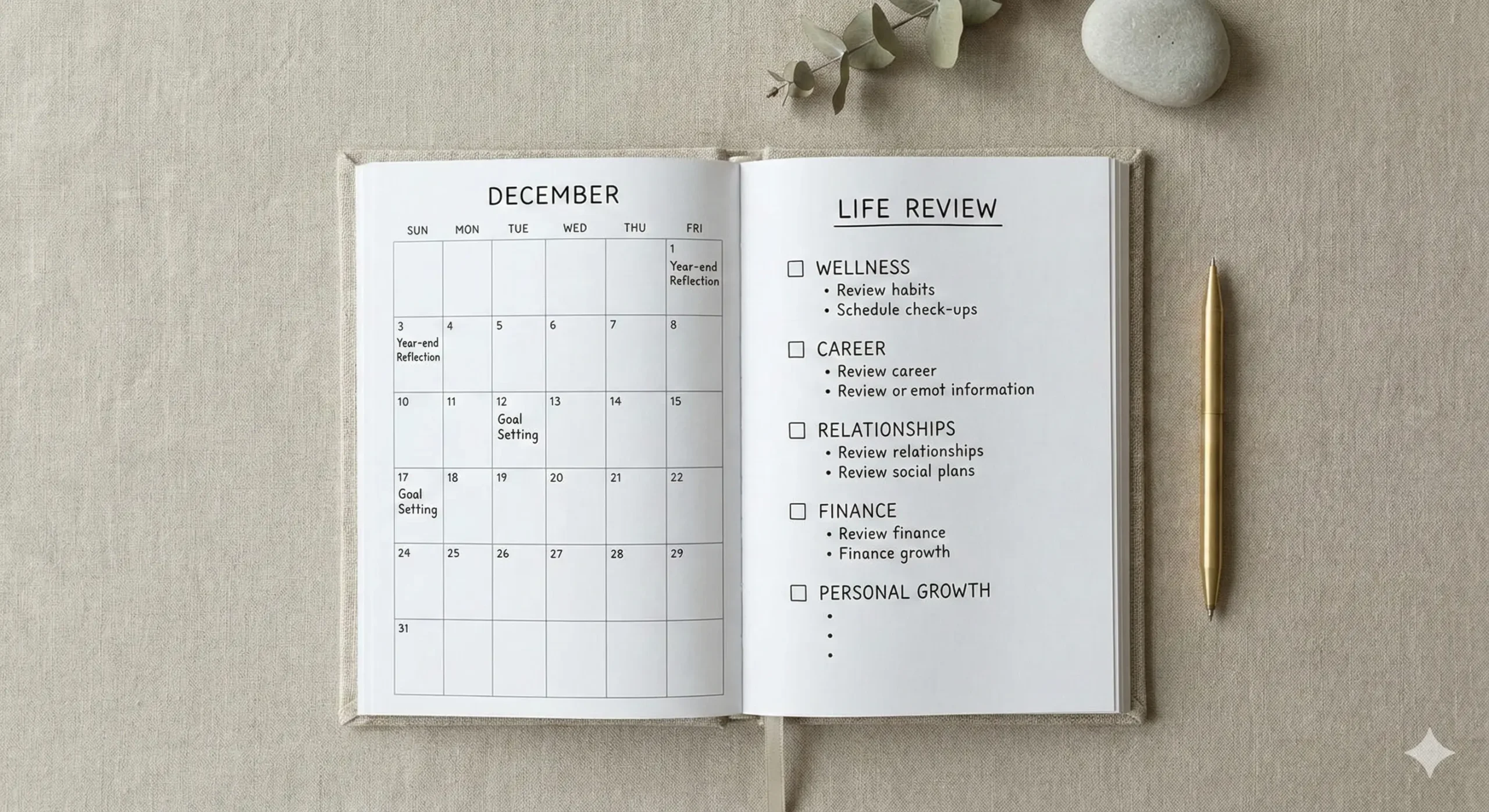
Use this life reset checklist as your roadmap for how to reset your life systematically. Review your mental state. Are you clear or clouded? What thoughts need challenging?
Check your emotional health. What feelings have you been avoiding? Who do you need to talk to?
Audit your habits. Which ones move you forward and which ones hold you back?
Evaluate your environment. Does your space support focus and rest or create chaos?
Look at your routine. Does your morning give you energy? Does your evening help you recharge?
Assess your relationships. Who supports your growth and who drains your energy?
Set your goals. What are your top three priorities and what’s your first step for each one?
Final thoughts
Learning how to reset your life doesn’t mean erasing who you are. It means removing what no longer serves you so you have space to grow into who you’re becoming.
Start small. Pick one area from this guide and commit to it for two weeks. Build from there. Real transformation happens through consistent small actions, not dramatic overnight changes.
You don’t need permission to start over. You don’t need the perfect plan. You need the willingness to take the first step and the patience to keep going when it gets hard. The steps in this guide on how to reset your life work when you commit to them consistently. Choose one section to focus on this week and build from there.
Ready to dive deeper into personal growth? Subscribe to get weekly strategies on building better habits, improving mental clarity and creating lasting change.
FAQ
How do you hit the reset button on your life?
Start by pausing your routine and identifying what’s working versus what’s not. Pick one area to change first, like your morning habits or environment. Take one small daily action toward that change for two weeks before adding more. This approach builds momentum without overwhelming you. Check our 7-day reset plan for structured guidance.
What is the 30 day reset?
A 30 day reset means committing to specific behavior changes consistently for 30 days. Pick one or two habits to focus on and practice them daily. This timeframe gives you a solid foundation while keeping the commitment manageable. You might reset your morning routine, digital habits or exercise schedule. Learn more in our habit reset section.
How can we restart our life?
Restarting your life requires clearing mental and emotional clutter first, then making practical changes. Begin with a mental reset through journaling about what keeps you stuck. Process feelings you’ve been avoiding. Then address your physical space, daily routine and relationships. Each layer builds on the previous one. Our life audit guide walks you through each area.
How to completely mentally reset?
A complete mental reset starts with identifying thoughts keeping you stuck. Write them down and notice when they appear. Challenge these thoughts by asking if they help you move forward. Create clarity through daily journaling or five minutes of quiet time each morning. Limit information overload. See our mental reset section for detailed steps.