
Table of Contents
I still remember the first time I watched One Punch Man.
Saitama looked so ordinary. Bald. Bored. Kind of pathetic, honestly. Then someone threatened him, and with one casual punch, the entire dynamic shifted.
That moment hooked me harder than any expensive CGI battle ever did.
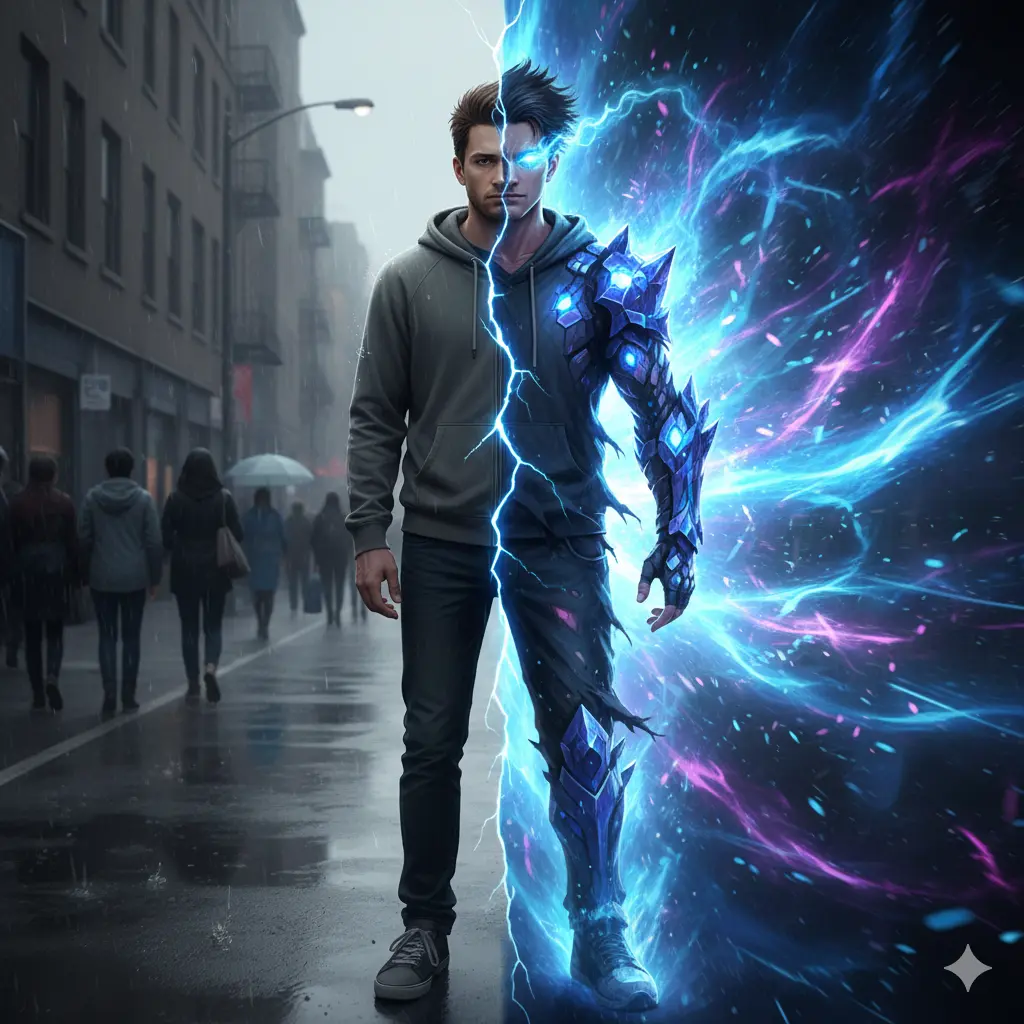
Turns out there’s actual psychology behind why stories where the main character hides his strength create such addictive narrative tension. Your brain craves the contrast between what appears on the surface and what lurks underneath.
Millions of anime fans worldwide obsess over this trope. Mob Psycho 100. The Rising of the Shield Hero. Entire genres built around protagonists who conceal extraordinary power behind ordinary facades.
Why does this storytelling device work so well? What makes the hidden strength archetype more compelling than straightforward displays of power?
Here are seven psychological reasons this trope dominates anime and captivates audiences who know the secret but love watching others discover it.
1) Suspense Creates Addictive Anticipation
Your brain hates unresolved questions.
Research from neuroscience studies on narrative shows that stories create tension by raising questions and delaying answers. This gap between question and resolution releases dopamine when finally satisfied.
When the main character hides his strength, every interaction becomes loaded with potential.
Will they reveal their power now? How about now? What will trigger the unveiling?
This constant low-level suspense keeps audiences engaged far more effectively than predictable power displays. The psychological mechanism mirrors how mystery novels work, except instead of “whodunit,” the question becomes “when will they show what they are.”
One Punch Man perfects this formula. Every episode teases Saitama’s absurd strength while other characters underestimate him. The audience knows the truth. The suspense comes from watching when and how others will discover it.
That anticipation creates what psychologists call narrative transportation. You lose yourself in the story because your brain desperately wants resolution.
The Timing of Revelation Matters More Than Strength Itself
Badly timed reveals kill suspense instantly.
Show the hidden power too soon, and you eliminate tension. Wait too long, and frustration replaces anticipation. The sweet spot varies by story, but generally follows this pattern:
Early episodes establish the concealment. Mid-season provides small glimpses that hint at truth. Season finale delivers full revelation with maximum emotional impact.
Mob Psycho 100 masters this timing. Mob’s psychic powers explode when his emotions hit 100%, creating natural dramatic peaks spaced throughout the narrative. Each explosion satisfies accumulated tension while preserving the core premise that Mob suppresses his strength.
2) Humility Makes Characters More Relatable
Nobody likes showoffs.
Characters who flaunt their power often come across as arrogant or unlikable. Protagonists who hide strength display a humility that makes them instantly more sympathetic.
This psychological effect stems from what researchers call the “underdog advantage.” People naturally root for characters who don’t advertise their capabilities. Hiding strength signals self-awareness, consideration for others, and often a desire for normalcy that feels profoundly human.
Mob from Mob Psycho 100 yearns for normal teenage experiences despite possessing reality-altering psychic abilities. That desire for ordinary friendship and acceptance makes him relatable despite extraordinary power. Viewers connect with his emotional struggles more than his supernatural capabilities.
Contrast this with protagonists who constantly display dominance. They inspire awe but rarely empathy. Where the main character hides his strength to create a bridge between audience and extraordinary abilities through shared human emotions.
Social psychologists note that modesty increases likability across cultures. Characters embodying this trait automatically trigger positive emotional responses.
The Desire for Normalcy Reflects Universal Human Experience
Everyone hides something.
Your intelligence. Your feelings. Your struggles. Your capabilities. Hiding parts of yourself to fit social norms represents a universal human experience.
Stories where the main character hides his strength metaphorically explore this dynamic. The concealment resonates because audiences recognize their own masked qualities in the protagonist’s behavior.
Kafka from Kaiju No. 8 desperately wants to join the Defense Force while hiding his kaiju transformation abilities. His fear of rejection if discovered mirrors common anxieties about authentic self-expression in social contexts.
This creates emotional investment beyond plot mechanics. Viewers project their own concealment experiences onto fictional scenarios, deepening engagement through personal relevance.
3) Power Reveals Trigger Massive Emotional Payoffs
Delayed gratification amplifies pleasure.
Research consistently shows that waiting for rewards increases satisfaction compared to immediate receipt. Studies on narrative tension demonstrate that suspense structures specifically enhance emotional responses to resolution moments.
When the main character finally reveals hidden strength after prolonged concealment, your brain releases a surge of dopamine and oxytocin. The biological reward for resolved tension combines with the vicarious thrill of watching underdogs demonstrate true capability.
Think about iconic reveal moments in anime. Gintoki’s transformation from lazy goofball to legendary samurai Shiroyasha. Biscuit Krueger’s shift from cute girl to muscular powerhouse in Hunter x Hunter. These moments create intense emotional reactions precisely because the contrast was established and maintained before the reveal.
The psychological principle mirrors comedy timing. Setup creates context. Delay builds anticipation. Punchline delivers satisfaction. Except instead of laughter, power reveals trigger awe, excitement, and cathartic release.
Classic Example: Saitama defeating villains with one punch after entire episodes build them up as unstoppable threats creates disproportionate satisfaction. The reveal never gets old because the psychological mechanism remains consistent.
4) Strategic Concealment Demonstrates Intelligence
Hiding strength often reflects smart tactics, not weakness.
Characters conceal abilities for strategic reasons: gathering information, avoiding unwanted attention, protecting loved ones, maintaining advantages in conflicts. This strategic thinking signals intelligence and makes protagonists feel competent beyond raw power.
Code Geass’s Lelouch hides his Geass ability and royal bloodline to lead a rebellion effectively. The concealment isn’t shame but calculated strategy. Audiences appreciate this intelligence, creating a different kind of admiration than brute force demonstrations.
Narrative psychologists note that clever protagonists who think several steps ahead engage audiences on intellectual levels. Viewers actively participate by anticipating when concealment serves strategic purposes versus when revelation becomes necessary.
This transforms passive watching into active engagement. Your brain works alongside the protagonist, evaluating situations and predicting optimal timing for power reveals.
The Chess Match Between Knowledge and Ignorance
Dramatic irony amplifies engagement.
When audiences know the main character hides strength but other characters don’t, it creates a knowledge gap that generates tension through anticipated discovery.
You watch powerful antagonists underestimate the protagonist. You know what’s coming. They don’t. That gap produces a delicious tension as you wait for reality to crash into their assumptions.
Overlord uses this mechanism brilliantly. Ainz Ooal Gown possesses godlike power in a video game world, but conceals his confusion about the situation behind his overwhelming capabilities. The gap between his internal uncertainty and external dominance creates complex layered tension.
5) Identity Exploration Through Hidden Power
Who are you when nobody knows what you’re capable of?
Stories where the main character hides strength explore fundamental identity questions. The concealment creates a split between public persona and private reality that mirrors psychological concepts of authentic self versus social masks.
Narrative therapy research shows that people construct identity through stories they tell about themselves. Characters hiding strength literally embody this process, maintaining different narratives for different audiences while navigating tension between versions of self.
Ken Kaneki from Tokyo Ghoul hides his ghoul transformation, struggling between human identity and monstrous capabilities. This internal conflict about which self represents truth resonates because everyone grapples with multiple potentially contradictory aspects of identity.
The hidden power becomes a metaphor for hidden dimensions of personality that don’t fit social expectations. Revealing strength parallels revealing authentic self despite risks.
Psychologically, this taps into universal experiences of code-switching, masking, and strategic self-presentation. The fictional scenario provides safe exploration of identity tensions audiences face in real contexts.
6) The Underestimation Dynamic Creates Justice Satisfaction
Watching arrogant characters get proven wrong feels good.
When antagonists or side characters underestimate the protagonist due to hidden strength, it sets up a justice dynamic that satisfies deep psychological needs for fairness and comeuppance.
Social psychology research demonstrates that humans possess strong fairness instincts. We feel pleasure when overconfident individuals receive corrections, especially when they’ve been dismissive or cruel to others.
The main character hides his strength and frequently endures mockery, dismissal, or contempt before revealing true capability. That reversal from underestimated to overwhelmingly powerful satisfies justice instincts while delivering the emotional payoff discussed earlier.
The Rising of the Shield Hero builds entire narrative arcs around this dynamic. Naofumi faces betrayal and scorn while secretly developing immense capabilities. When he demonstrates true strength, it vindicates both character and audience investment.
This mechanism explains why underdog stories universally appeal across cultures. Hidden strength represents the ultimate underdog narrative, where capabilities exist but remain unseen until perfect dramatic moments.
Collective Cultural Fantasies of Hidden Potential
Everyone wants to believe they possess undiscovered capabilities.
The trope where the main character hides his strength taps into widespread fantasies about untapped potential. What if you’re secretly extraordinary but circumstances haven’t revealed it yet?
This psychological appeal crosses cultural boundaries. Japanese anime popularized the trope but Western audiences embrace it equally. The core fantasy of concealed greatness resonates universally.
Characters like Clark Kent/Superman represent Western iterations of the same archetype. Mild-mannered reporter hides godlike alien abilities. Different cultural context, identical psychological mechanism.
7) Tension Between Power and Responsibility
Great power. Great responsibility. Great concealment?
Many characters hide strength specifically to avoid burdens that come with acknowledged power. This tension between capability and responsibility creates complex character motivation beyond simple plot mechanics.
Mob suppresses psychic abilities partly to avoid becoming a tool for others’ ambitions. Saitama hides the true extent of his strength because fame and recognition feel hollow. These motivations add depth that pure power fantasies lack.
Philosophically, this explores questions about obligation. Do capabilities create duties? Must the strong protect the weak? What happens when power makes normal life impossible?
Narrative psychology suggests that stories function as thought experiments for moral questions. Hidden strength scenarios let audiences explore power dynamics, responsibility, and authenticity through fictional proxies.
The concealment represents a refusal of expected social roles. Society says “if you’re powerful, you must perform power.” Stories where the main characters hide his strength reject this expectation, creating narrative tension through social norm violation.
How to Use This Trope in Your Own Writing
Want to write compelling hidden strength characters? Follow these principles:
| Element | Effective Approach | Common Mistake |
| Motivation for Concealment | Clear psychological or strategic reason | No explanation, just plot convenience |
| Reveal Timing | Strategic placement at story peaks | Too early or delayed past frustration point |
| Power Level | Disproportionate to appearance/behavior | Only slightly stronger than expected |
| Character Personality | Humble, strategic, or trauma-based | Arrogant despite hiding strength |
| Audience Knowledge | Dramatic irony, readers know before other characters | Hiding strength from audience too |
The key lies in psychological consistency. Why would someone conceal extraordinary capability? Fear? Strategy? Trauma? Past betrayal? The motivation must make sense given character history and personality.
Foreshadowing helps immensely. Plant subtle hints that attentive readers notice but don’t fully understand until the reveal. This rewards close attention while maintaining suspense.
Consider reveal structure. Does the protagonist choose when to reveal strength, or does crisis force their hand? Chosen reveals demonstrate agency. Forced reveals create drama. Both work depending on story needs.
Common Mistakes That Kill the Hidden Strength Trope
Watch for these pitfalls:
Delaying revelation too long. Audiences tolerate suspense until frustration overtakes anticipation. If readers spend chapters waiting for payoff that never comes, they disengage entirely.
Making concealment illogical. Characters need believable reasons for hiding strength. “Plot requires it” isn’t enough. Psychological motivation, strategic advantage, or protective instinct must justify concealment.
Inconsistent power levels. If a character’s hidden strength varies wildly without explanation, it breaks narrative logic. Establish clear parameters for capabilities and stick to them.
Ignoring consequences. Power reveals should create ripples. Other characters respond. Relationships shift. Status changes. Stories that ignore aftermath feel hollow.
Overusing the reveal. The first big reveal carries maximum impact. Subsequent reveals face diminishing returns unless each introduces genuinely new dimensions of capability or understanding.
The Enduring Appeal of Hidden Potential
Stories where the main character hides his strength tap into fundamental human psychology.
We all feel underestimated sometimes. We all conceal parts of ourselves to navigate social contexts. We all fantasize about possessing capabilities others don’t recognize.
This trope succeeds because it provides vicarious satisfaction for universal experiences while creating narrative structures that exploit how our brains process suspense, anticipation, and resolution.
The psychological mechanisms remain consistent whether you’re watching Saitama, reading about Superman, or creating your own hidden strength protagonist. Delayed gratification. Dramatic irony. Justice satisfaction. Identity exploration. Strategic intelligence.
Understanding why this archetype works helps both audiences appreciate what makes stories compelling and writers craft more engaging narratives.
Next time you encounter a character hiding their true capabilities, notice how your brain responds. The anticipation. The satisfaction at reveals. The connection to universal experiences of concealment and authentic self-expression.
That’s not accident. That’s psychology meeting storytelling in one of its most reliably effective forms.
Master Narrative Tension in Your Writing
Transform your understanding of character archetypes and psychological storytelling mechanisms. Whether you’re analyzing anime or crafting original narratives, these principles create irresistible engagement.
Find Psychological Insights That Shape Your Sense of Worth.
Conclusion
The main character hides his strength trope dominates anime and storytelling for solid psychological reasons.
Suspense mechanisms exploit how brains process delayed gratification. Humility creates relatability that raw power displays lack. Strategic concealment demonstrates intelligence audiences appreciate. Identity tensions resonate with universal experiences of self-presentation. Justice dynamics satisfy fairness instincts. Power-responsibility conflicts add philosophical depth.
From One Punch Man’s satirical approach to Mob Psycho 100’s earnest exploration of power suppression, this archetype proves endlessly adaptable while maintaining core appeal.
The seven psychological principles covered here explain why millions of viewers obsess over hidden strength narratives despite knowing the formula. The mechanism works regardless of awareness because it taps into hardwired response patterns.
For audiences, recognizing why you connect emotionally to these stories enriches viewing experiences. You’re not just passive consumer. You’re engaging with sophisticated psychological narratives that mirror real human experiences of potential, identity, and authentic self-expression.
Whether you’re watching established anime or encountering new variations of this archetype, the core appeal remains consistent. We love stories about hidden potential because we believe in our own.
That ceramic elephant on my desk. Your unexplored talents. Saitama’s concealed strength. All evidence that surfaces rarely tell complete stories.
And that gap between appearance and reality? That’s where magic lives.