
Table of Contents
You’ve seen the hashtags. The posts. The campaigns.
But what is body positivity beyond social media filters and brand marketing?
The real answer is more powerful than most people realize. And it’s not what Instagram makes it look like.
Let me show you what body positivity means, where it came from, and why it matters more than ever.
What Is Body Positivity? The Real Definition
Understanding what is body positivity starts with a clear definition stripped of commercialization.
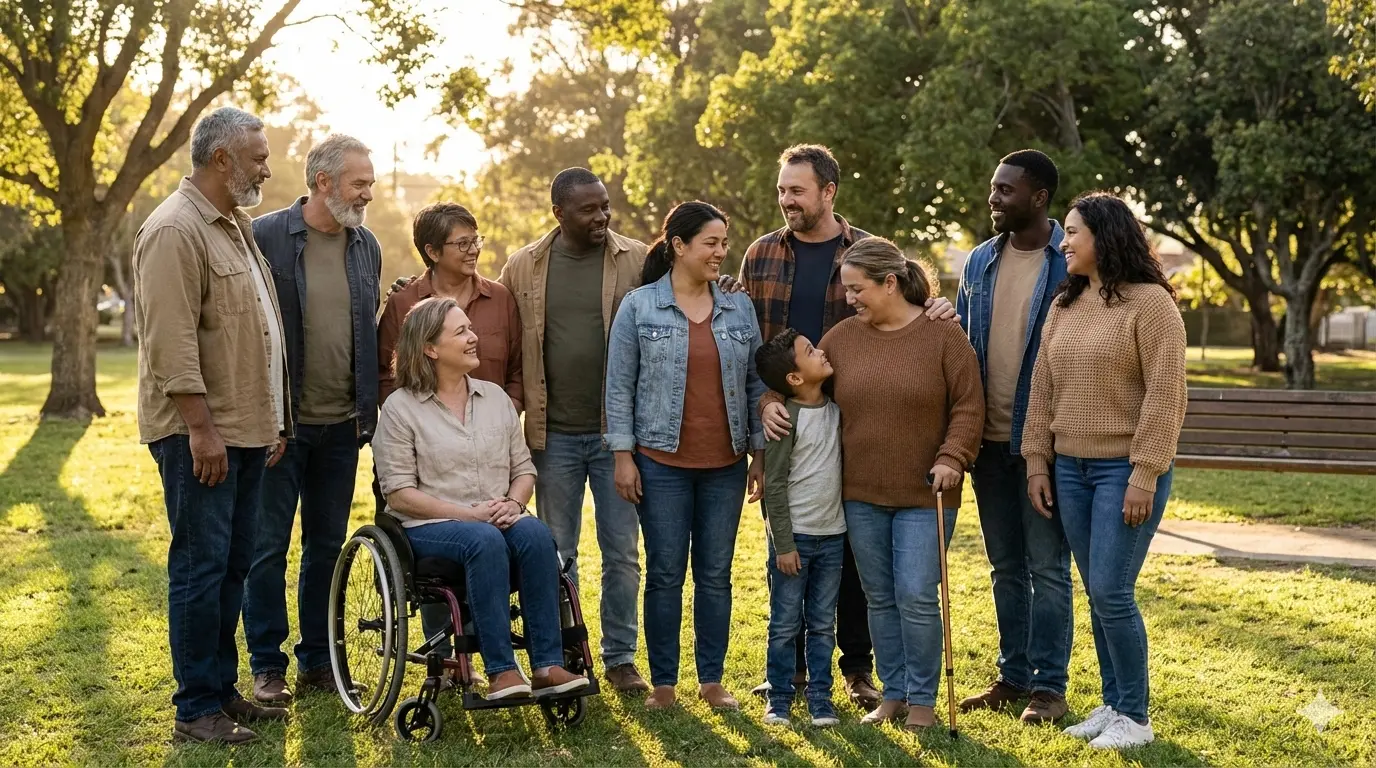
Body positivity is a social movement advocating acceptance of all bodies regardless of size, shape, skin tone, gender, physical abilities, or appearance.
Not tolerance. Acceptance.
According to the movement promotes a positive view of all bodies and focuses on appreciation of the body’s functionality and health instead of its physical appearance.
This is what body positivity means at its core: your body deserves respect and acceptance exactly as it exists right now.
No conditions. No “once you lose weight” or “after you tone up.” Now.
Body Positivity vs Self-Confidence
Body positivity isn’t the same as self-confidence.
Self-confidence is internal. It’s how you feel about yourself.
Body positivity is cultural. It challenges external systems telling you your body is wrong.
You understand what is body positivity when you recognize it’s not about forcing yourself to love your reflection. It’s about rejecting the systems that taught you your body needs fixing in the first place.
The Deeper Meaning Behind Body Positivity
The body positivity meaning goes beyond surface-level acceptance.
Why It’s More Than “Loving Your Body”
Body positivity isn’t toxic positivity applied to your body.
You don’t have to love your body every day to understand what is body positivity. You don’t have to feel beautiful to deserve respect.
The movement argues beauty is a social construct and should not dictate an individual’s confidence or sense of self-worth.
This is what makes the body positivity movement powerful: it challenges the idea that your worth depends on how you look.
Your body is worthy of acceptance because it’s yours. Period.
Functionality Over Appearance
True understanding of what is body positivity emphasizes what your body does, not how it looks.
Your body:
- Breathes without you thinking about it
- Heals cuts and bruises
- Processes emotions
- Allows you to experience life
- Carries you through your days
These functions matter more than appearance. This shift in focus is central to the body positivity meaning.
Origins of the Body Positivity Movement
Knowing what is body positivity requires understanding where it came from.
The 1960s Fat Acceptance Movement
The body positivity movement has roots in fat acceptance activism from the 1960s.
In 1967, New York radio host Steve Post held a “fat-in” in Central Park, where people protested discrimination against fat individuals, marking the beginning of the fat acceptance movement.
This is what body positivity grew from: Black women, queer people, and fat activists fighting discrimination based on body size.
The movement wasn’t created by thin white women posting bikini photos. It was created by marginalized communities demanding dignity.
Who Created Body Positivity and Why
Understanding what is body positivity means knowing the social media movement started in the early 2000s on platforms like Facebook and Tumblr, created by queer people, Black women and femmes, fat people, and disabled people.
They built community spaces uplifting marginalized bodies. They created media featuring bodies society excluded.
This is the true body positivity meaning: resistance against systems that devalue certain bodies while privileging others.
How Body Positivity Evolved Online
Social media amplified body positivity. But it also changed it.
As the movement gained popularity, brands and influencers co-opted it. What started as radical activism became marketing language.
Now when people search what is body positivity, they often see thin conventionally attractive people claiming bravery for existing in their socially acceptable bodies.
This commercialization erased the marginalized bodies who created the movement.
Common Misconceptions About Body Positivity
Misunderstandings about what is body positivity create confusion.
“You Must Love Your Body All the Time”
Wrong.
Body positivity doesn’t demand constant love for your body. That’s unrealistic.
The body positivity meaning includes space for neutrality, frustration, and complex feelings about your body while still advocating for its dignity and respect.
You’re allowed bad body image days and still support body positivity.
“It Promotes Unhealthy Habits”
This misconception misunderstands what is body positivity.
The movement doesn’t promote or discourage any health behaviors. It argues your body deserves respect regardless of health status.
Health isn’t a moral obligation. Your body’s worth isn’t conditional on health metrics.
Body positivity separates body acceptance from health judgments.
“It’s Only About Appearance”
Ironically, critics of body positivity often claim it focuses too much on appearance.
True understanding of what is body positivity recognizes it aims to deemphasize appearance’s importance while challenging systems that judge bodies based on looks.
The movement wants appearance to matter less, not more.
Why Body Positivity Matters Today
Understanding what is body positivity matters because the issues it addresses are still urgent.
Social Media and Beauty Standards
Social media intensifies body image pressure.
Filters create impossible standards. Editing tools make “perfect” bodies seem attainable. Algorithms show you curated highlight reels constantly.
This is why knowing what is body positivity matters: it provides resistance against digital manipulation making you feel inadequate.
Unrealistic Beauty Ideals
Beauty standards are not only unhealthy but unattainable, made possible only through digital photo editing techniques or surgeries.
The body positivity movement identifies these standards as impossible and emphasizes realistic bodies.
Understanding what is body positivity helps you recognize when you’re comparing yourself to edited, unrealistic images.
Mental Health Impact
Poor body image links to a range of physical and mental health problems including anorexia, bulimia, depression, body image disturbance, and body dysmorphic disorder.
This is why the body positivity meaning matters: accepting your body protects your mental health.
Body acceptance isn’t vanity. It’s wellness.
Body Positivity vs Body Neutrality
When exploring what is body positivity, you’ll encounter body neutrality too.
Key Differences
Body positivity encourages acceptance and appreciation of your body.
Body neutrality focuses on what your body does rather than how it looks or how you feel about it.
According to experts at Cleveland Clinic, body neutrality removes expectations of specific feelings toward your body, allowing neutrality instead of required positivity.
Neither approach is wrong. They serve different needs.
Learning more about body positivity vs body neutrality helps you choose what works for you.
What Body Positivity Isn’t
Clarifying what is body positivity means knowing what it’s not.
Body positivity isn’t:
- Permission to judge others’ health
- Requirement to post body photos online
- Erasing desire for personal change
- Ignoring medical needs
- Performance of fake confidence
The body positivity meaning includes personal autonomy. You decide what acceptance looks like for you.
Important: Body positivity was created by and for marginalized bodies. If your body fits conventional beauty standards, supporting body positivity means amplifying marginalized voices, not centering your own experience. Learn more about body positivity and habits that will help you build it
FAQs About Body Positivity
What is body positivity in simple terms?
Body positivity is a movement advocating that all bodies deserve acceptance and respect regardless of size, shape, ability, or appearance. It challenges cultural beauty standards that marginalize certain bodies while privileging others. The movement emphasizes body functionality over appearance and argues that worth isn’t determined by how you look. Body positivity originated in fat acceptance activism by Black women and queer communities fighting discrimination.
Is body positivity the same as body neutrality?
No. Body positivity encourages accepting and appreciating your body. Body neutrality focuses on your body’s function rather than appearance or feelings about it. Body positivity aims for positive relationship with your body. Body neutrality removes pressure to feel any particular way about your body, allowing neutral feelings. Some people find body positivity goals unrealistic and prefer body neutrality’s less emotionally demanding approach. Both movements challenge appearance-based worth.
Does body positivity mean you can’t want to change your body?
Body positivity doesn’t forbid personal change. The movement argues your body deserves respect and acceptance as it is now, while you have autonomy over your choices. The difference is changing your body from self-acceptance versus self-hatred. Body positivity challenges systems telling you your body is wrong, not your personal decisions about your body. You decide what feels right for you while advocating that all bodies deserve dignity.
Understanding Body Positivity in 2026
Knowing what is body positivity matters because the fight for body acceptance continues.
Beauty standards haven’t disappeared. Discrimination against fat bodies, disabled bodies, and bodies of color persists. Social media still promotes impossible ideals.
The body positivity movement reminds us: your body doesn’t need to be perfect to be worthy.
You don’t need to love your body every moment. You don’t need to perform confidence for others.
You just need to know your body deserves respect. Dignity. Acceptance.
That’s what body positivity means. Not hashtags or marketing campaigns.
True body acceptance for bodies that have been told they’re wrong.
Ready to practice body positivity? Explore body positivity rules for 2026 or learn about the benefits of embracing body acceptance. Have a look at Powerful mantras to build body positivity.